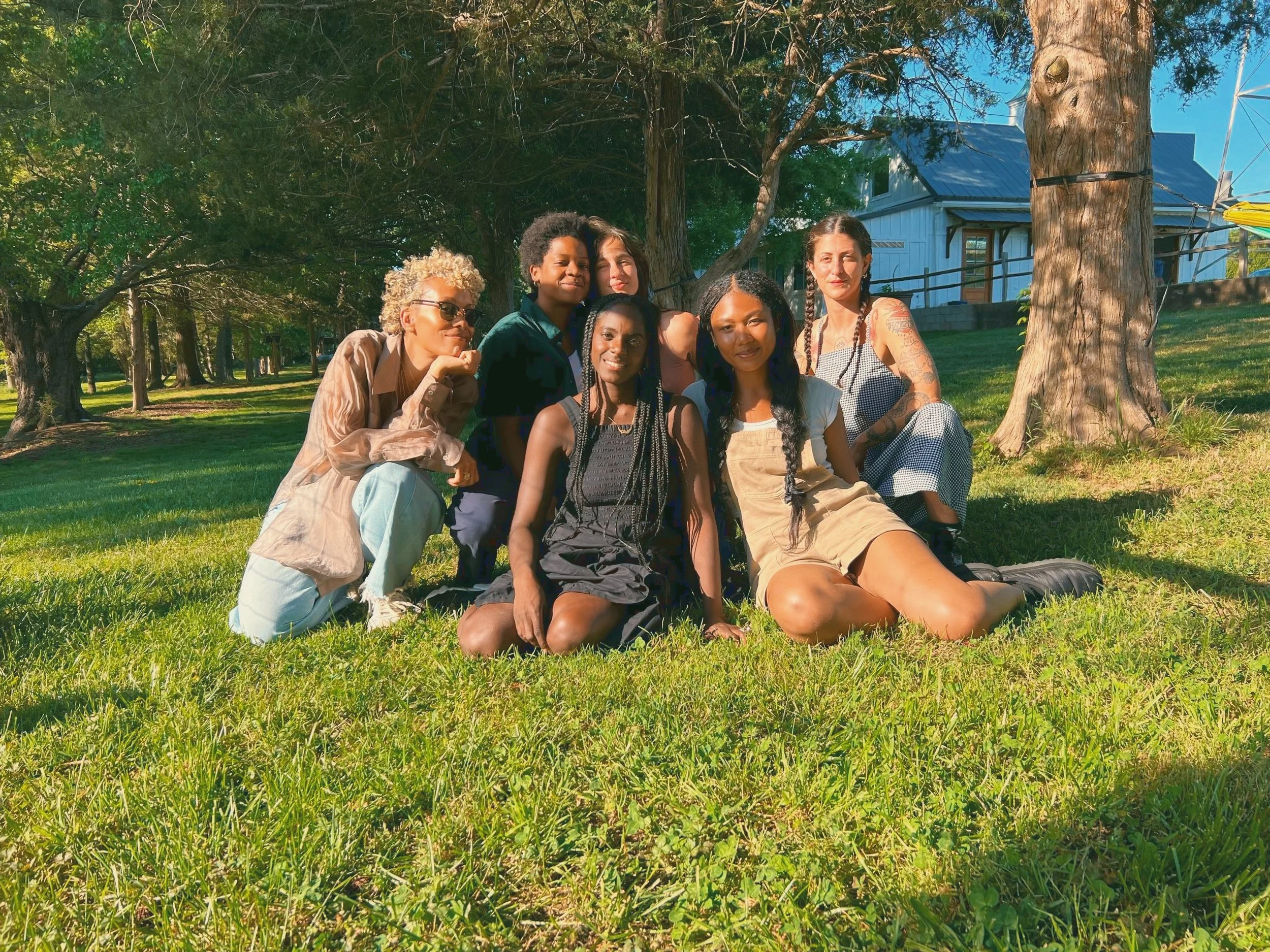
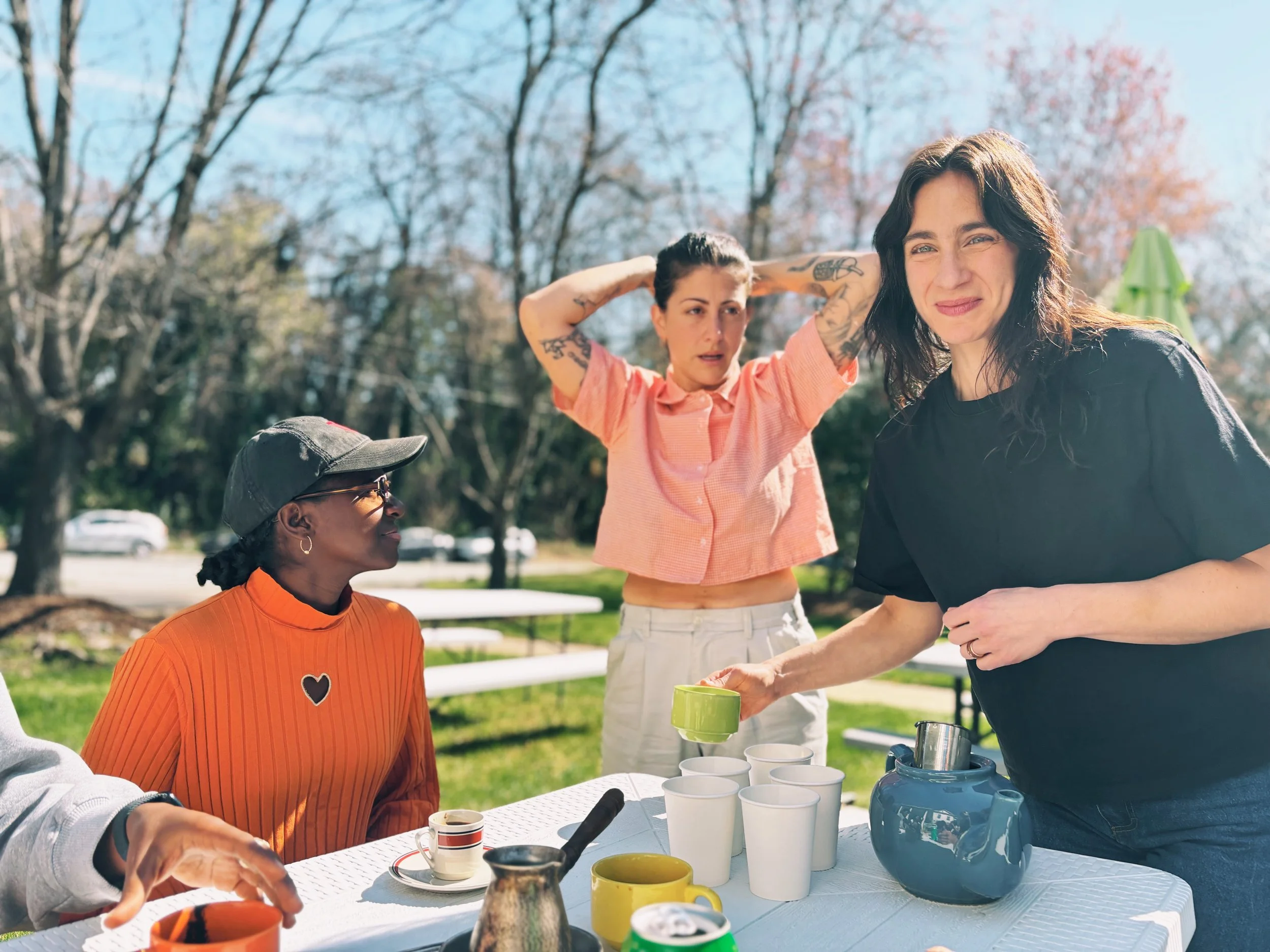
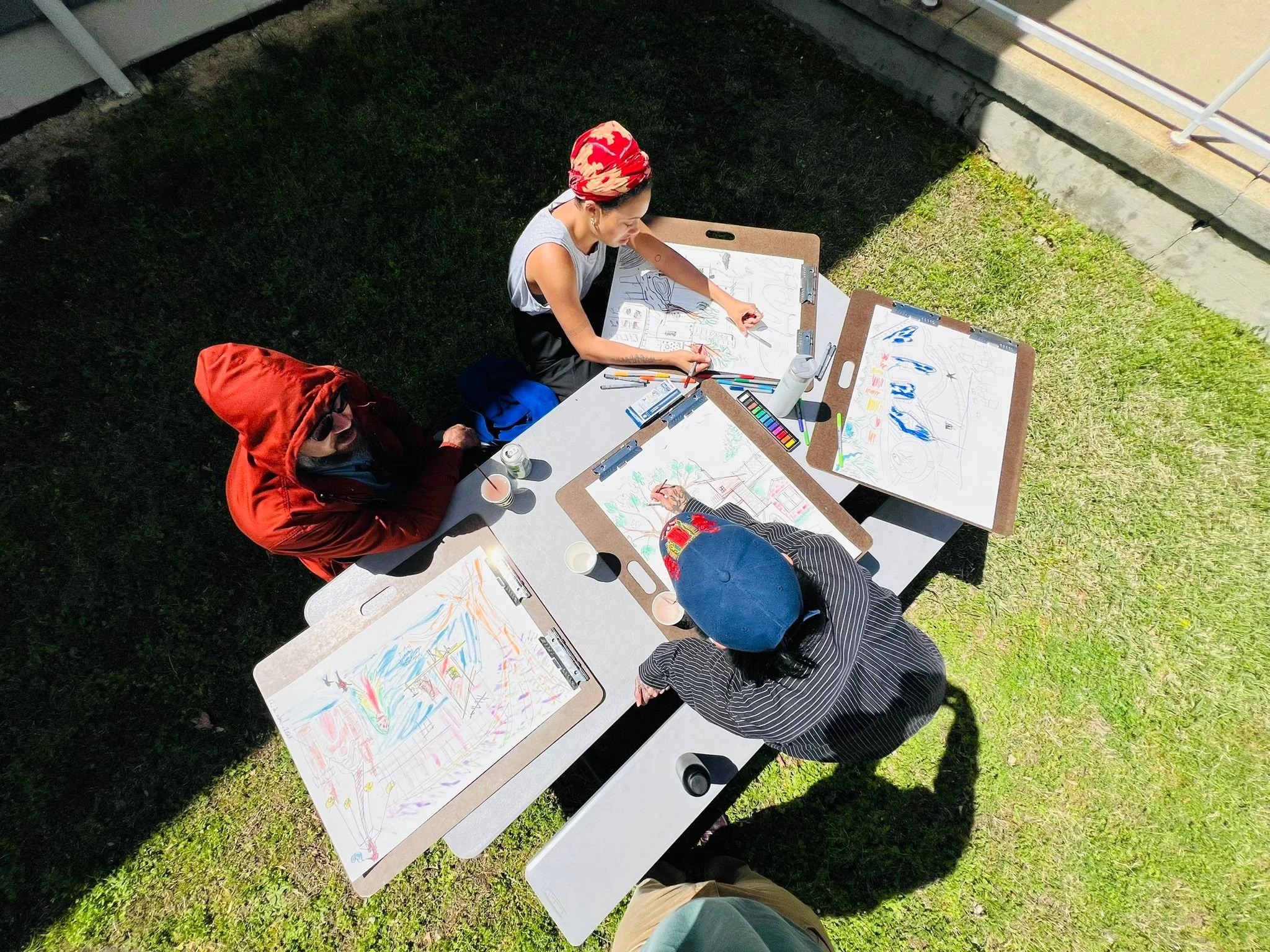
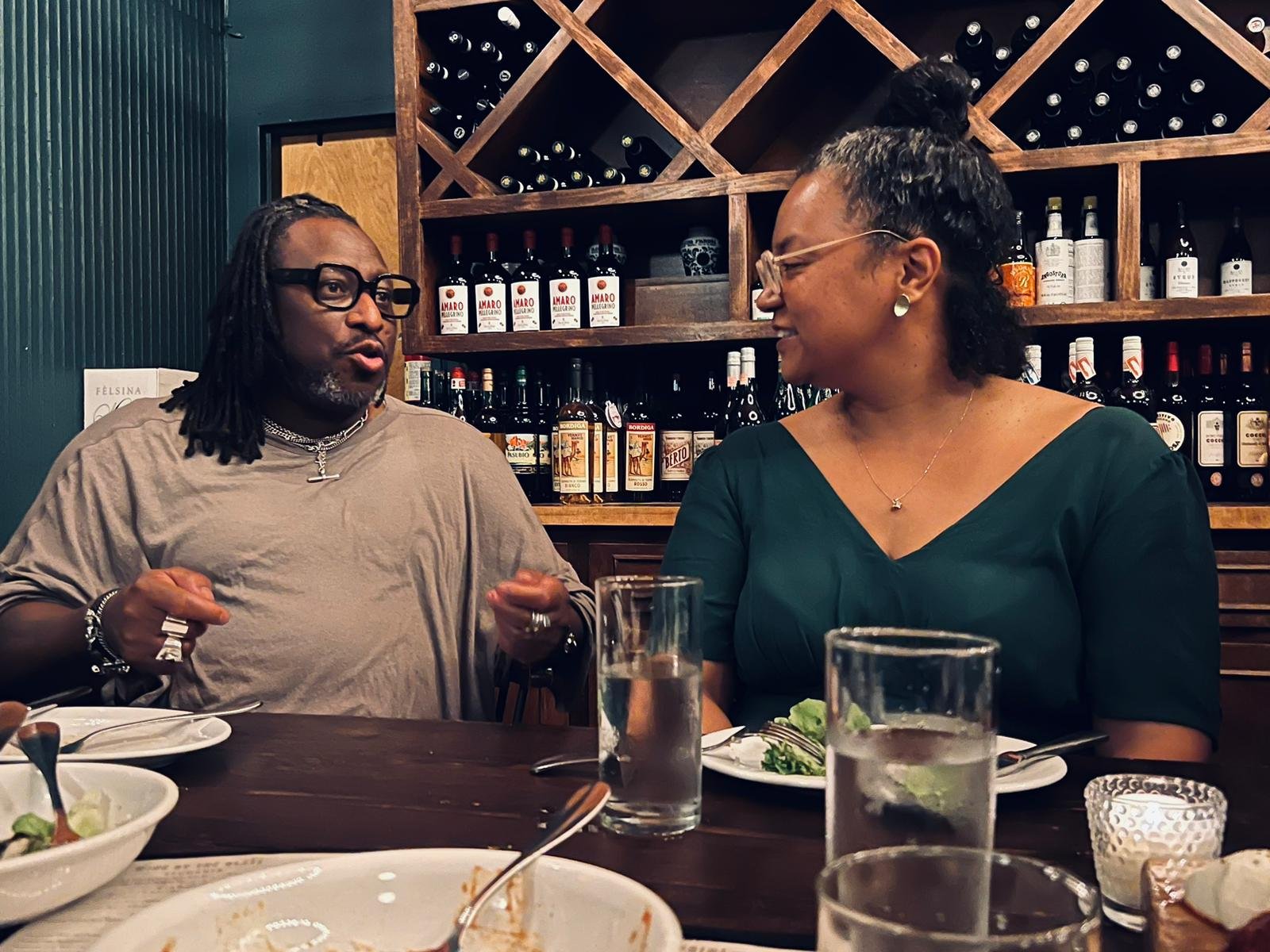
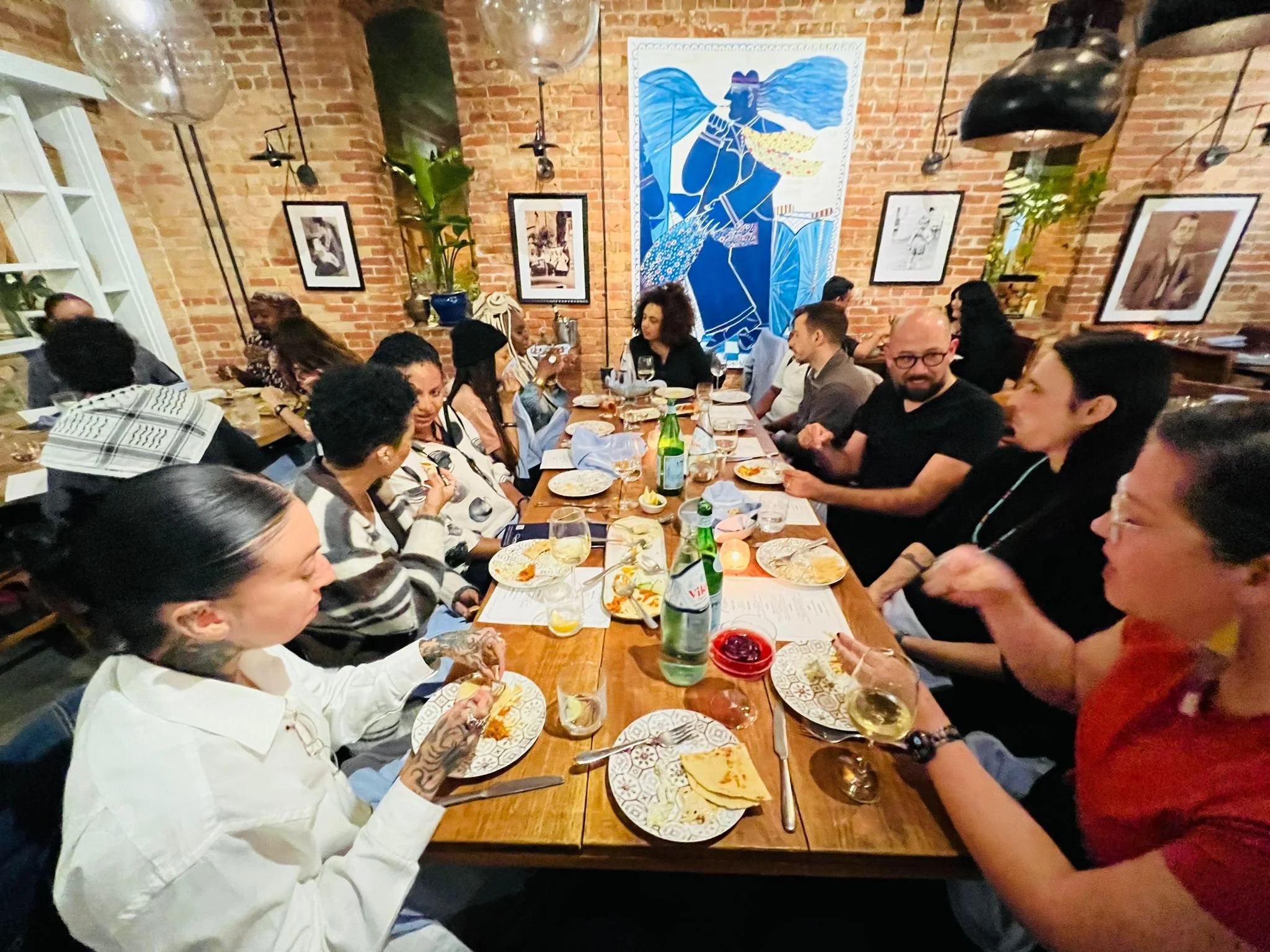
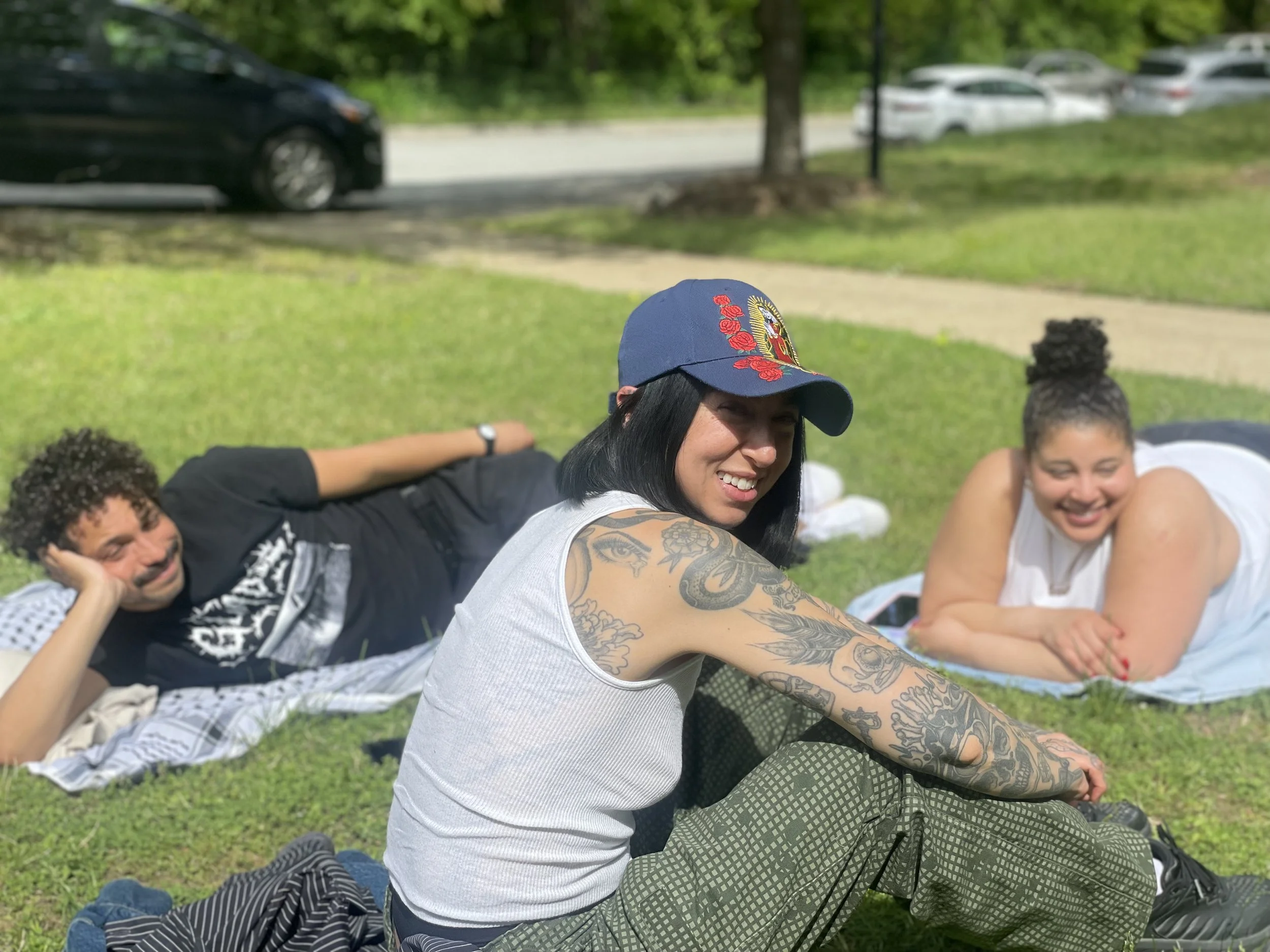

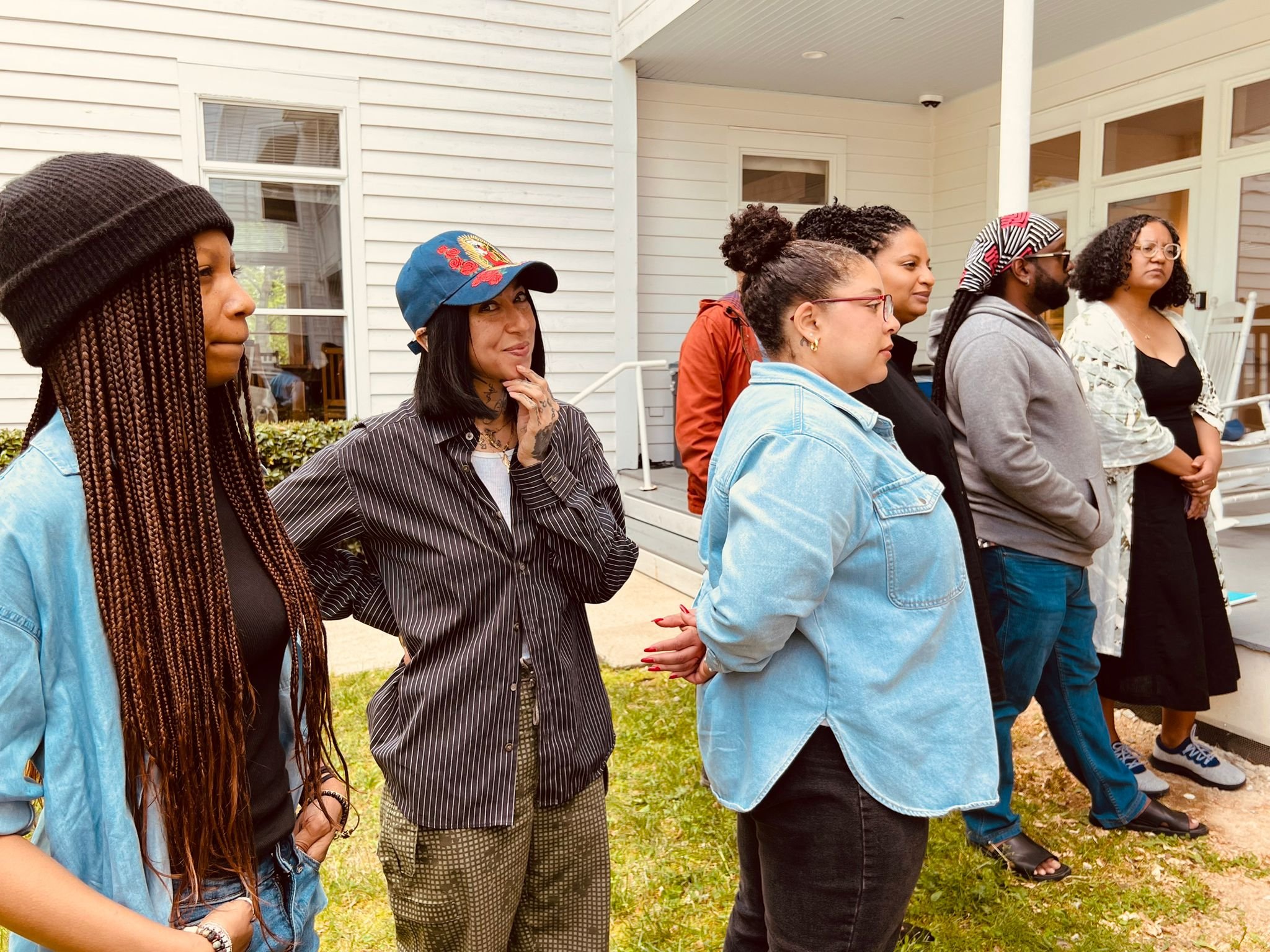
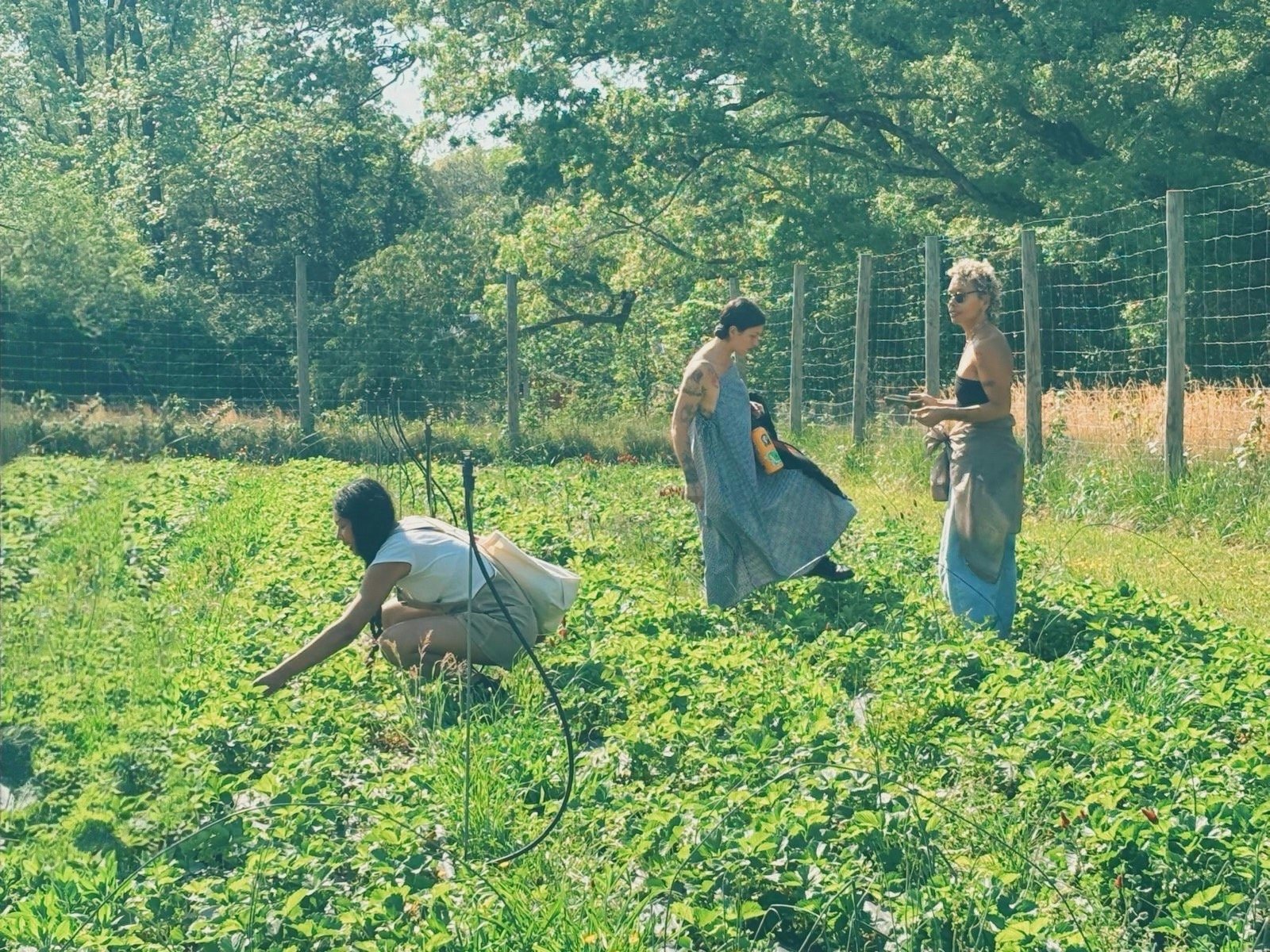
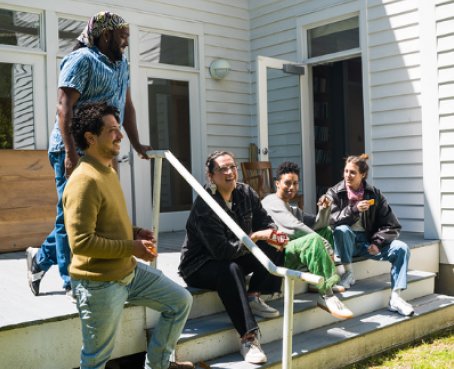
“You should know that we laughed, that we danced, that we sang, that we wept, and sat in the grass. That we cooked meals together from ingredients that we brought with us to evoke memories of origin and home; that we became family, and that those relationships sustain us even now. That the quiet question of one was answered in the work of another.”
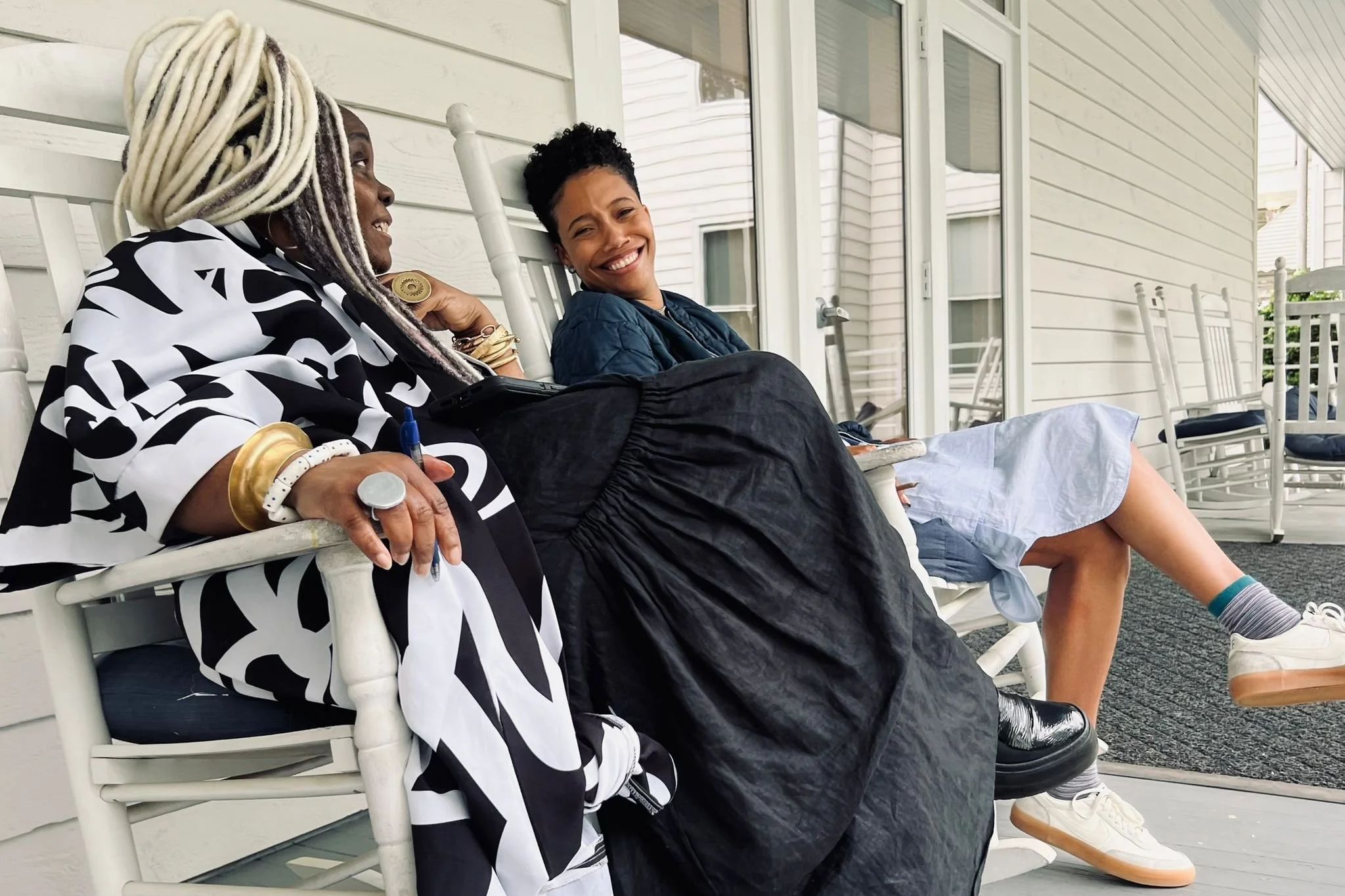
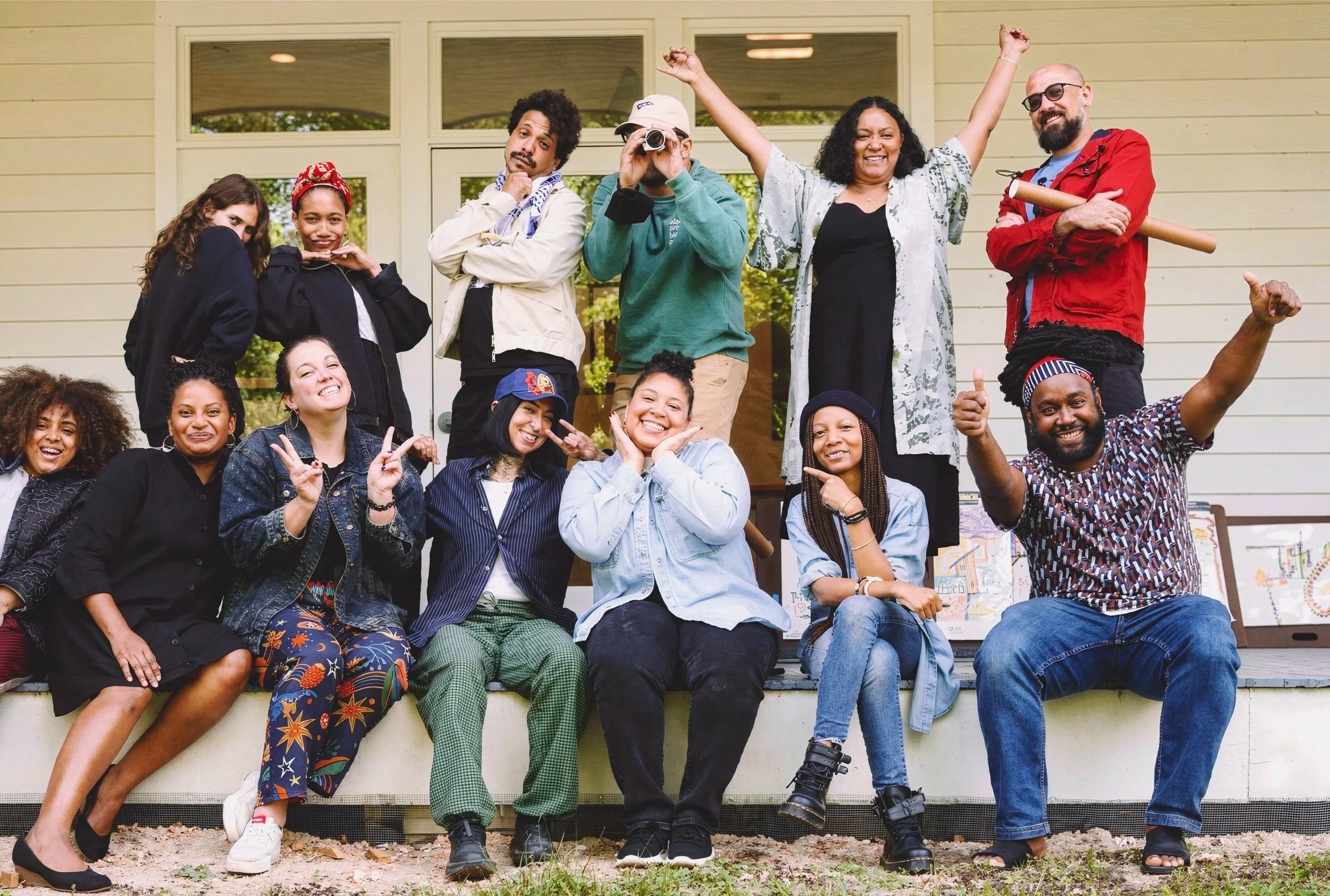
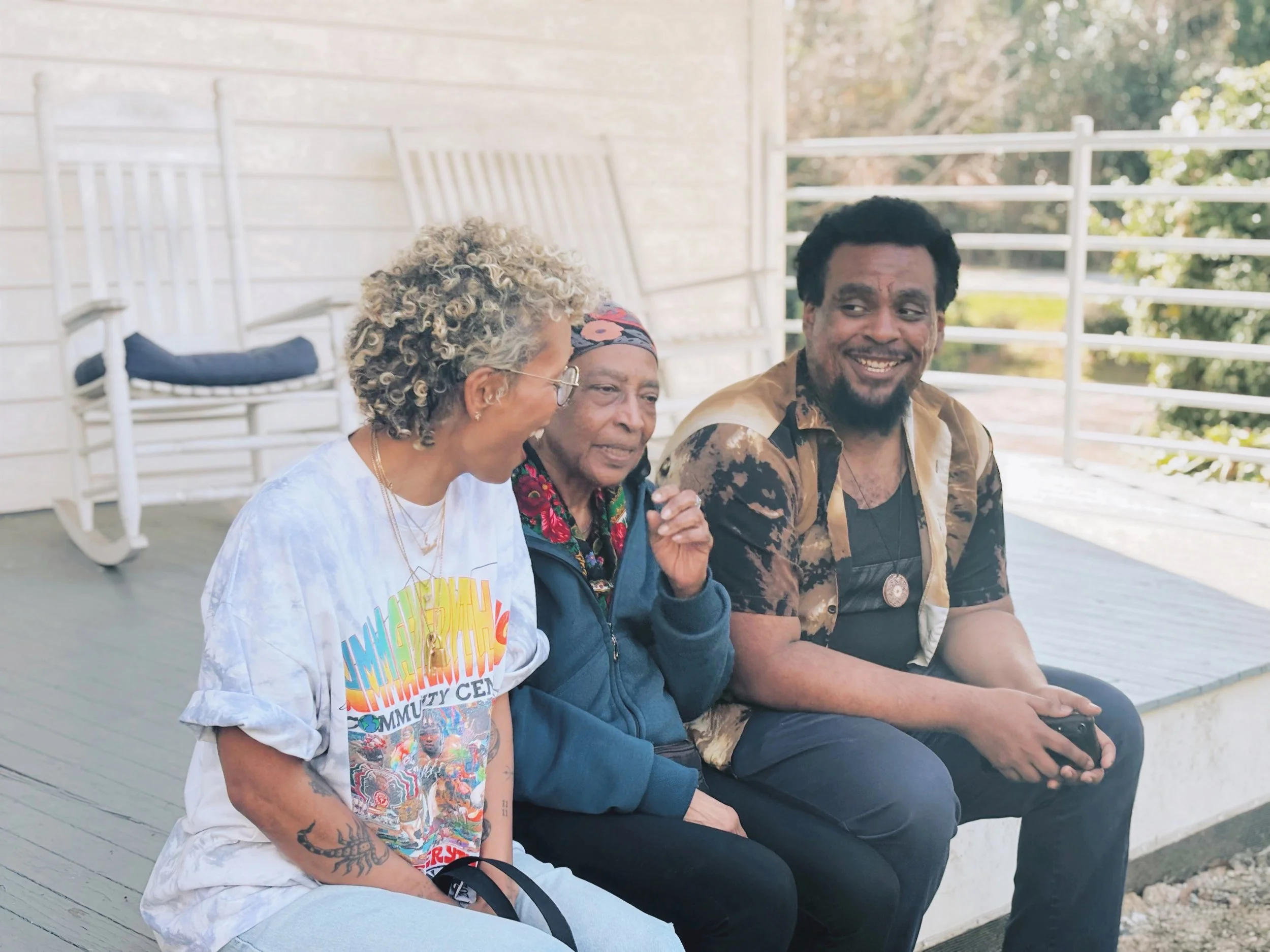
What was DocX?
DocX was no ordinary fellowship.
Co-created by Nyssa Chow and Stephanie Owens and housed at the Center for Documentary Studies at Duke University, the fellowship was an “otherwise within the meanwhile”—an oasis for artists, filmmakers, scholars, and caretakers of personal and community archives.
Over four years (2021-2025), the initiative evolved from fully funded intensives to a month-long funded residency for documentary artists, scholars, and artists. We curated the conditions for artists of color to explore the possibility of living, thinking, being, and sensing otherwise.
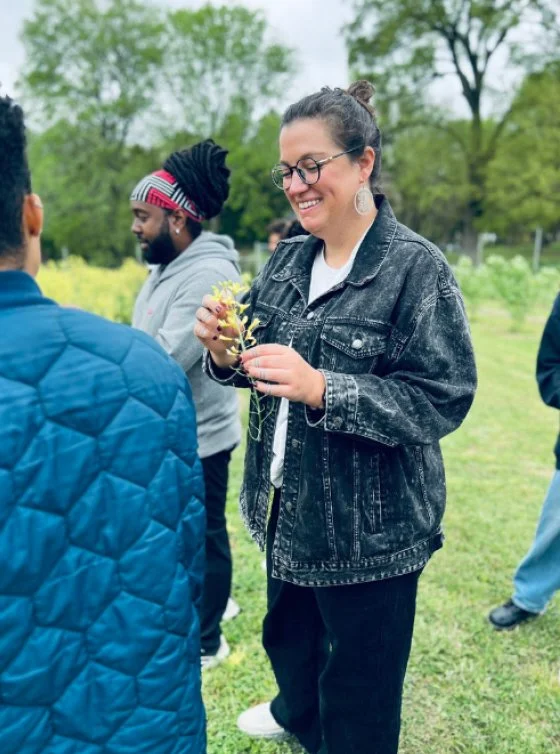
Moving beyond traditional institutional models, we stewarded a space where fellows could deepen their practice while grounded in the intimacy of shared histories. It was rooted in the dignifying, decolonial potential of sovereign gathering, communal ideation, shared meals, dancing, and communing with elders in our fields.
Unique to our lab was the invitation we extended to all of our invited guest speakers to stay for as many days as they wished, participate as equals in ideation sessions, and enjoy shared meals and conversations. In this way, the fellowships become a generative space for lasting community and decolonial imagination for all.
-
The eight-month Immersive 2021–2022 DocX Archive Lab: How Are We Known? (awarding $3000 per fellow)
The two-week Intensive 2024 DocX Development Lab: Otherwise Histories, Otherwise Futures (awarding $10,000 per fellow)
The month-long Residency 2025 DocX Residency: Another World is Possible (awarding $20,000 per fellow).
-
600+ Global Applications for just 24 spots across three iterations. This overwhelming response from visionary creators worldwide signals an urgent demand for "otherwise" spaces.
-
Our cohorts included emerging, mid-career, and established filmmakers, scholars, and archivists. We were intentional about welcoming non-traditional fellows and their families, ensuring that the whole person was supported.
-
We placed no conditions on how these awards were spent—whether for childcare, rent, or production costs. Our goal was to provide the financial breath necessary for artists to exist and continue their vital work.
-
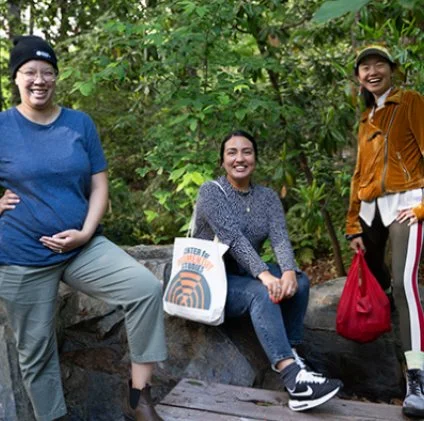
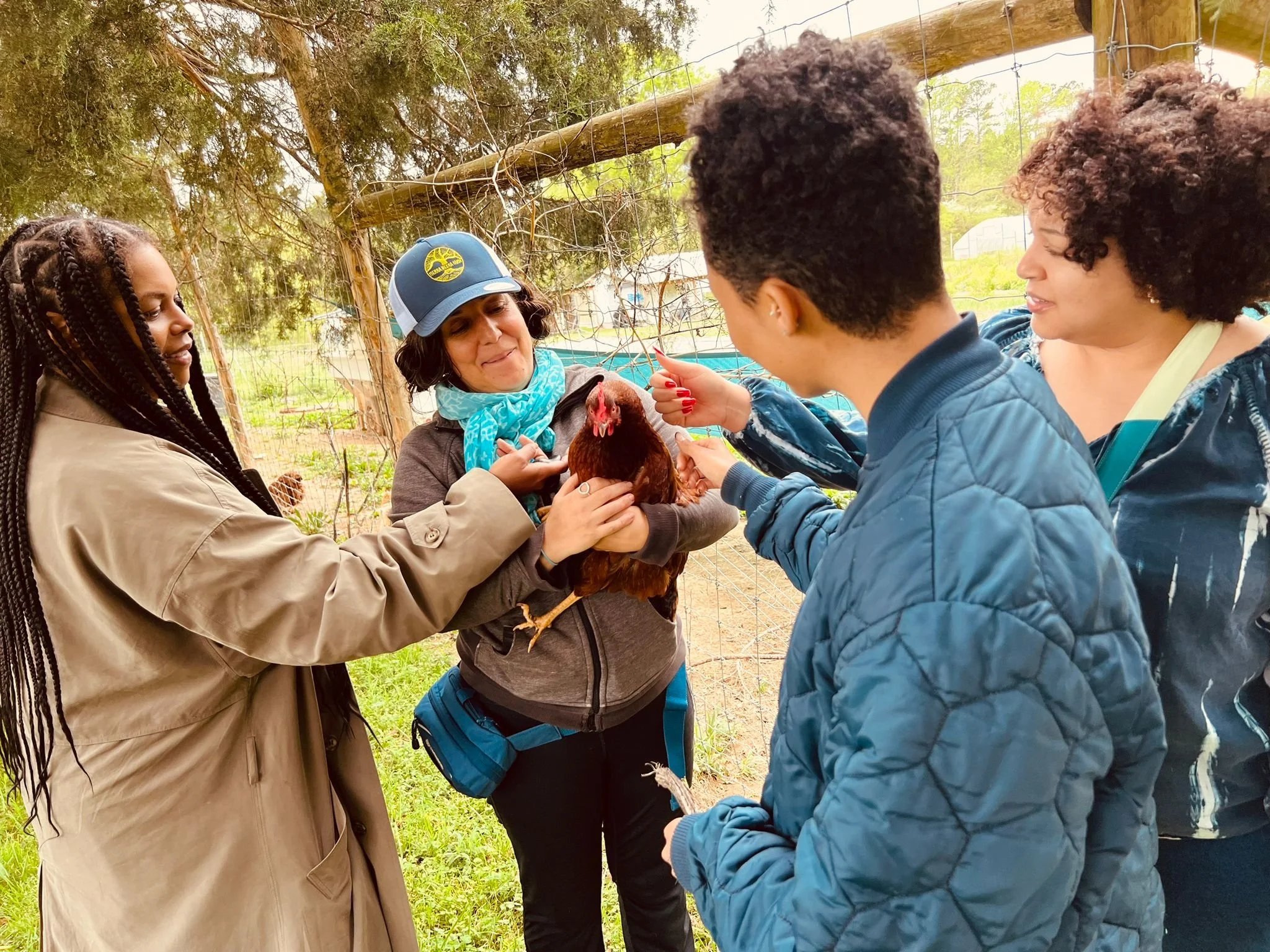
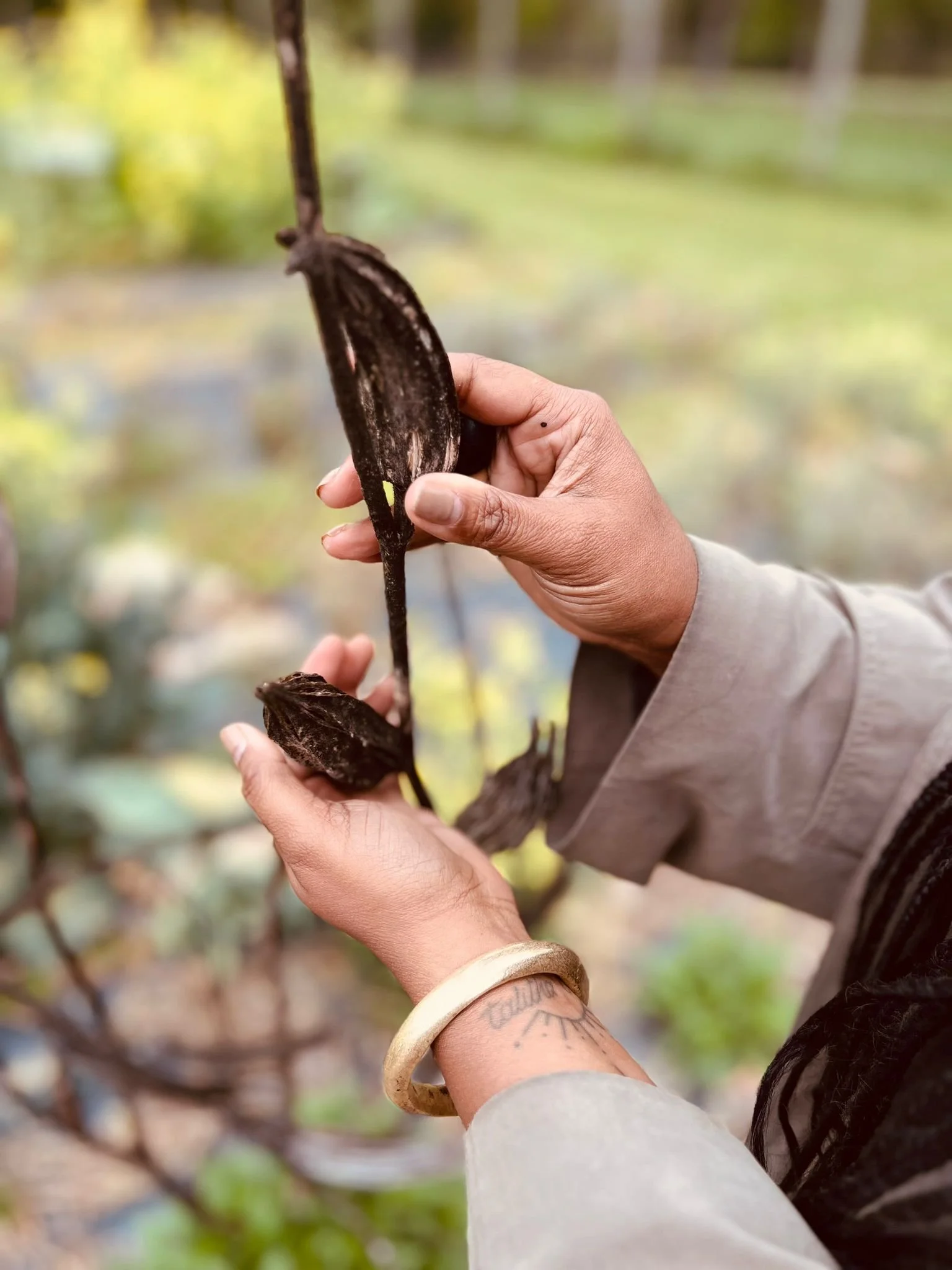
Our residency was rooted in local solidarity—from visits to Indigenous-run farms and meals at family-owned restaurants to our integration with the Full Frame Documentary Film Festival. We remained steadfast in our commitment to supporting communities of color across the wider Durham landscape.
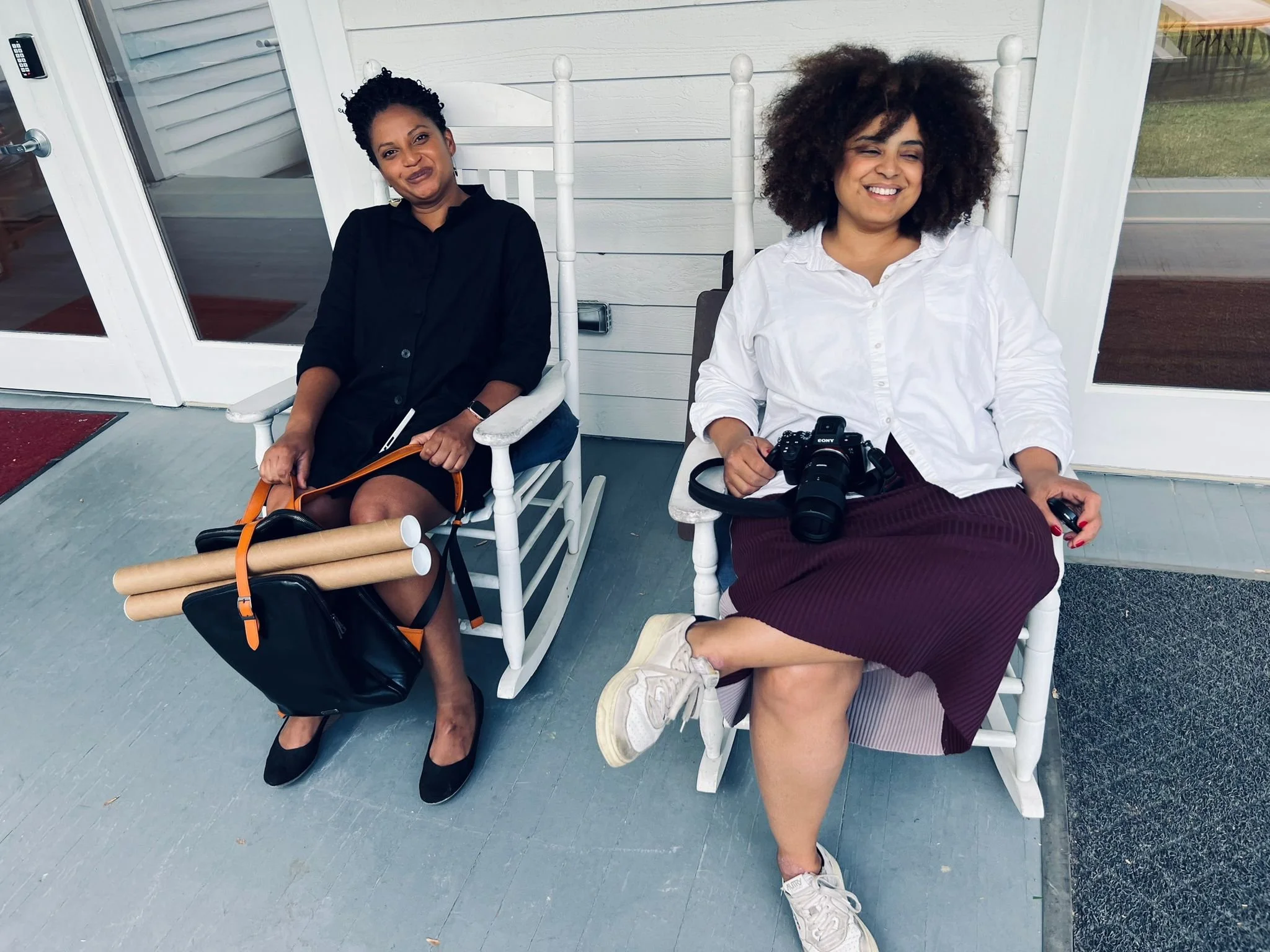
Co-Creators Nyssa Chow and Stephanie Owens
The Origin Story
Experiencing yourself as impossible is a form of precarity.
Stephanie Owens and I know this feeling intimately. As two Black women navigating the arts, we have lived the exhaustion of having to translate ourselves or else hold our quiet. We hungered for something different.
We knew from the beginning that this could be no ordinary fellowship. We didn't want another standard institutional incubator; we needed an oasis. We needed to carve out an "otherwise within the meanwhile”—a dignifying, living, breathing space of respite where we could reclaim our privacy and the quiet, radical relief of simply being together.
The fellowship was born from that very personal longing.
It was an oasis built so that artists of color can finally exhale, be (re)worlded, and experience themselves as possible and legible.
Facilitation Philosophy
Remembering as Method
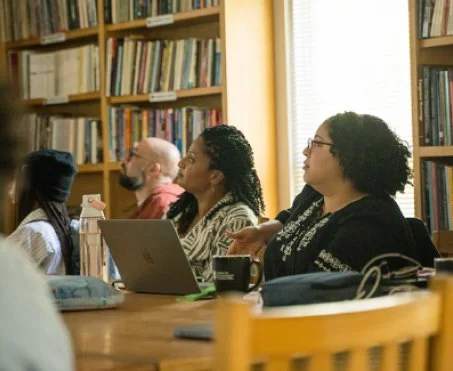
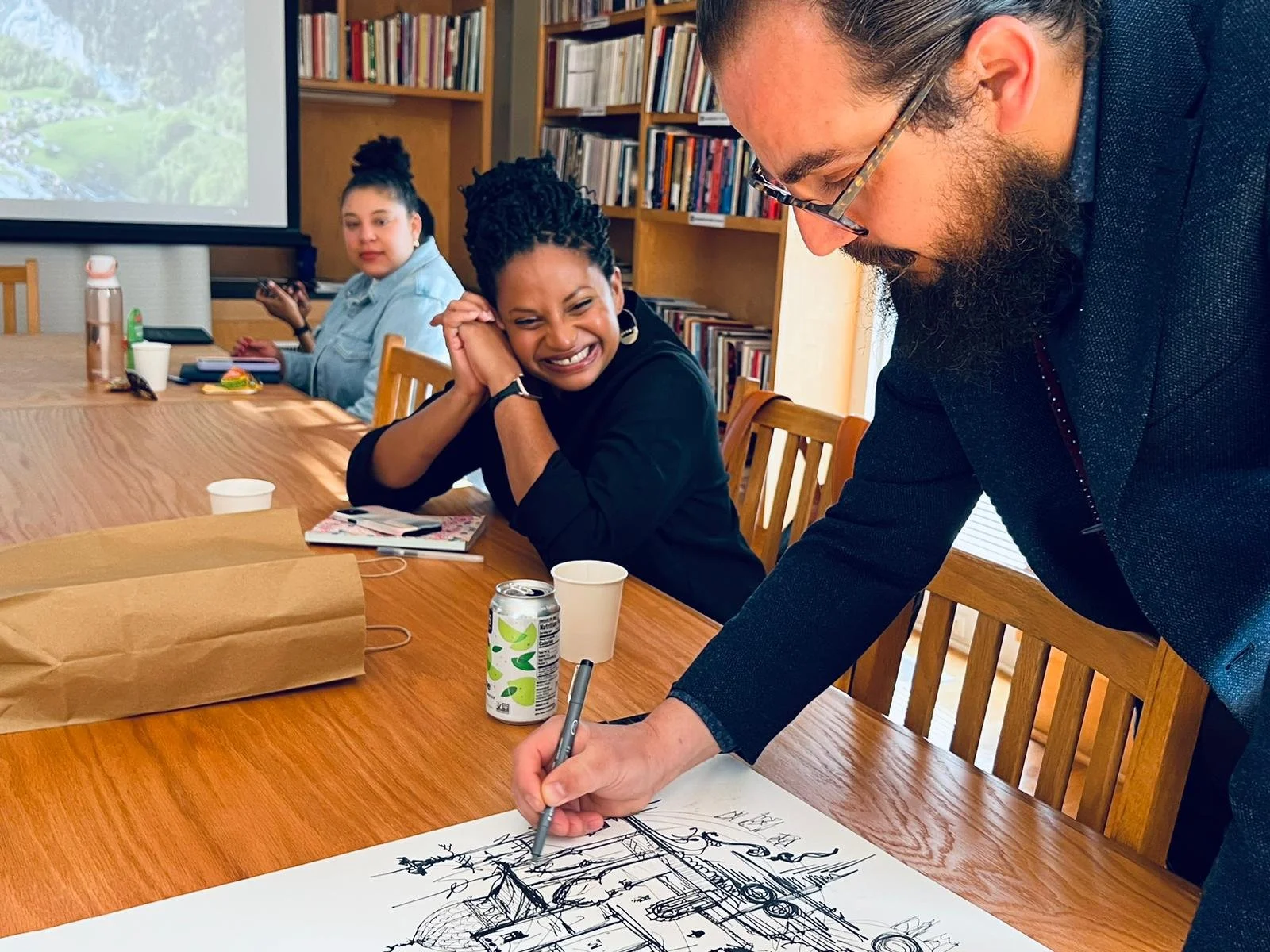
Our ideation sessions were born of my approach to oral history and listening as "decolonial practice in intimate space”. We departed from institutional hierarchy, ensuring that the renowned guest speakers, established, mid-career, and emerging fellows all shared equal space at our table. We offered a mutual invitation to be worthy of trust and to grant permission for reciprocal vulnerability.
Rooted in relational pedagogical traditions of the Global South, this approach honors our embodied knowledge as our particular expertise as Black and brown people.
“What does this body know because it is this body?”
Supremacy always requires our erasure and forgetting; so this facilitation practice proposes remembering as a method. Through this relational listening practice, we attune to both our resonances (I live that too) and our discordances (I live that differently)—allowing one another to experience themselves as possible and (re)worlded in encounter.
In this space, we tended to the deepest roots of our work, committing to each other’s becoming and pouring our care as much into the artist as the art.
“What about the work that seeks to invite counter-subjectivities? New namings, ways of knowing, seeing, and being—otherwise relations between me and me?”
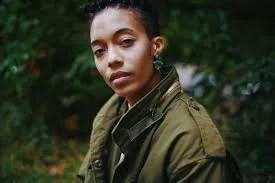
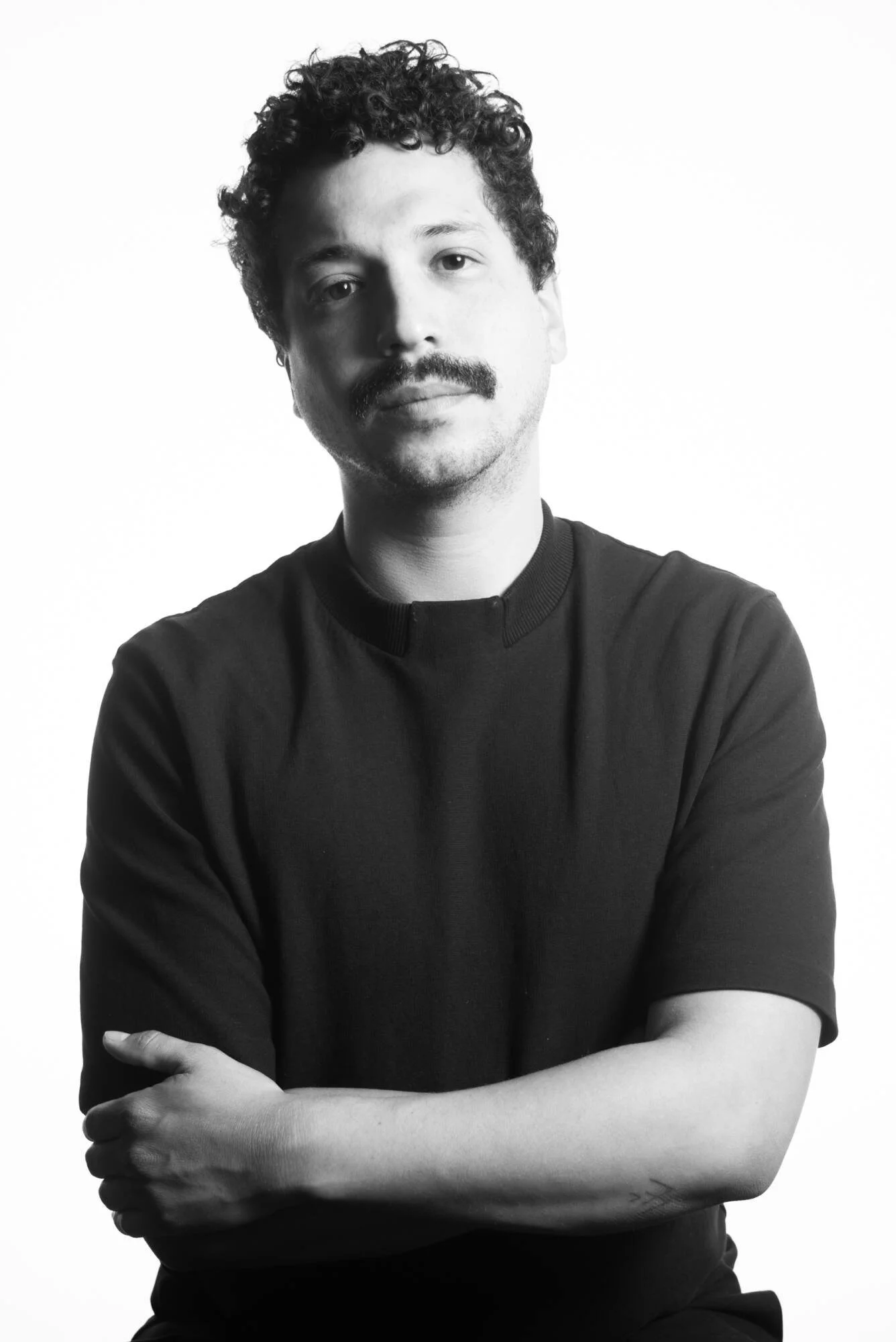
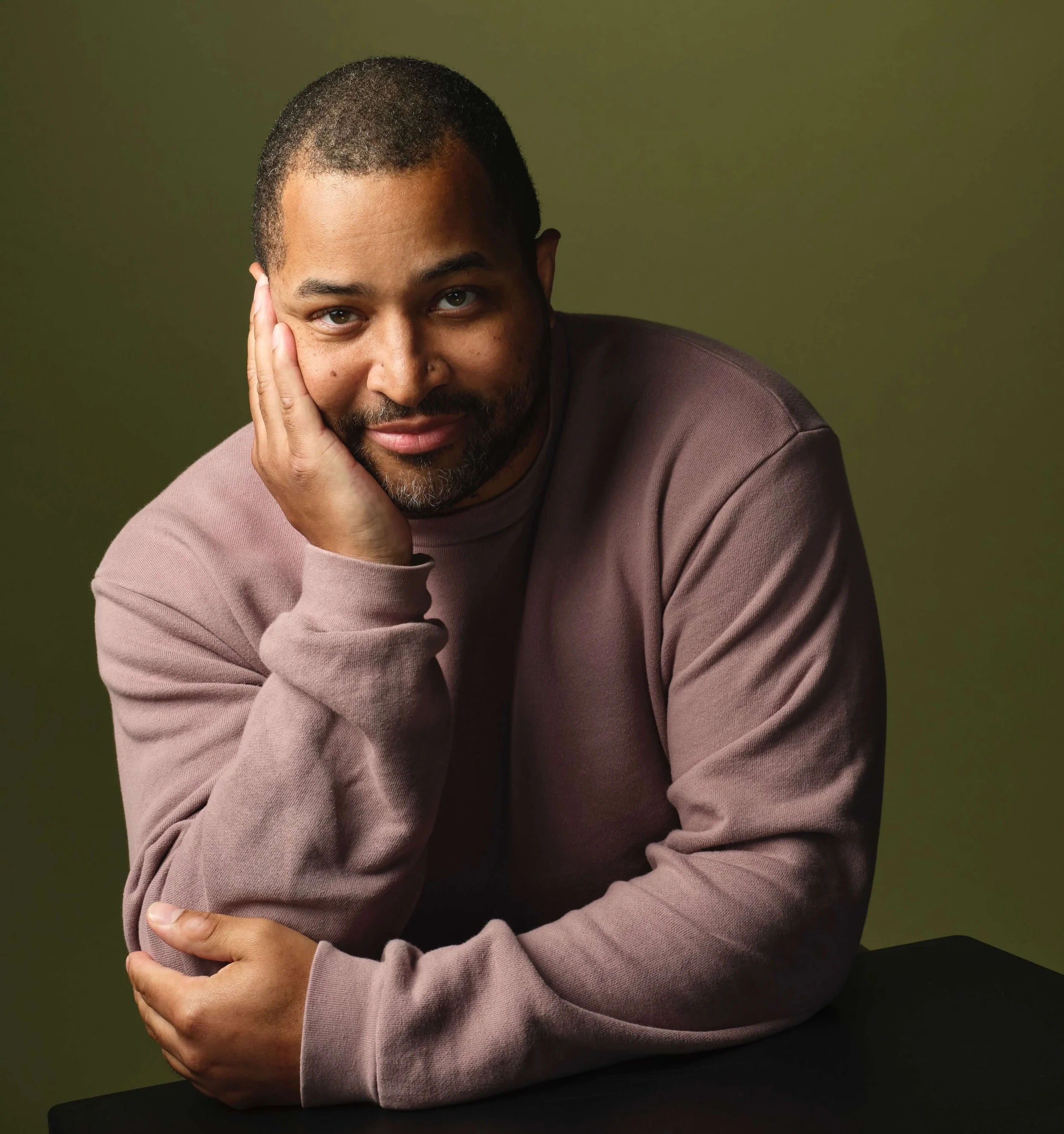
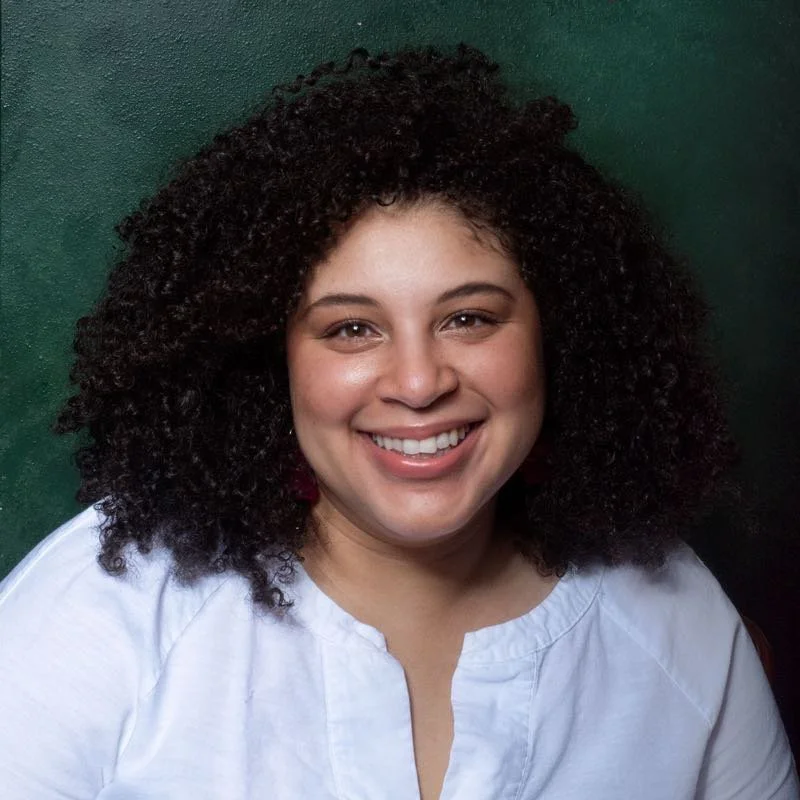

The relationships kindled within that shared space are enduring and continue to yield collaborations today.
Our Fellows
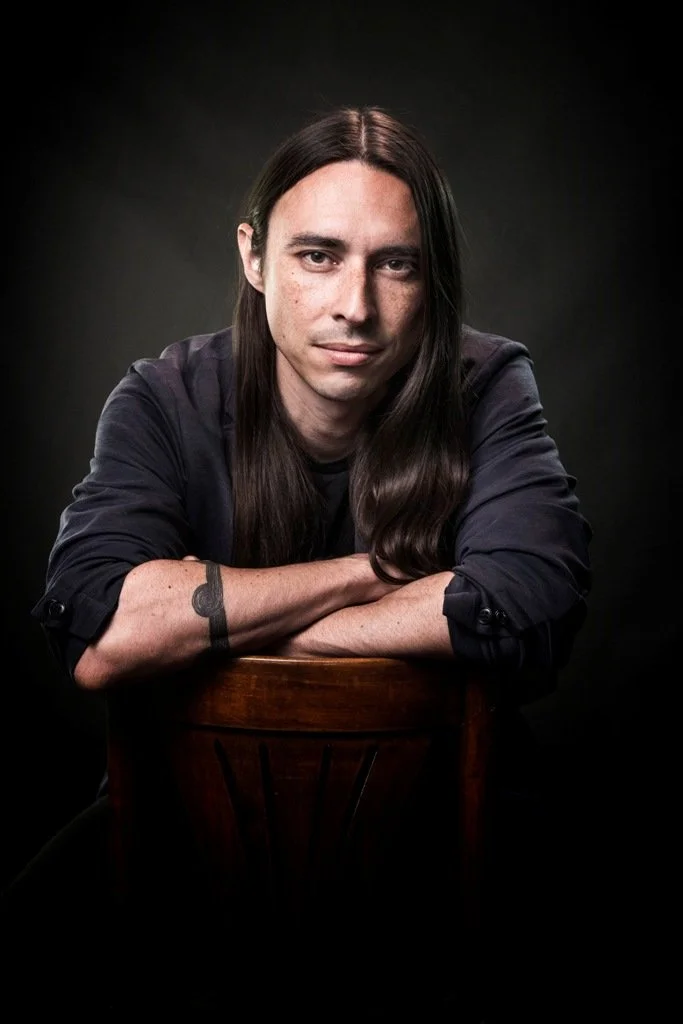
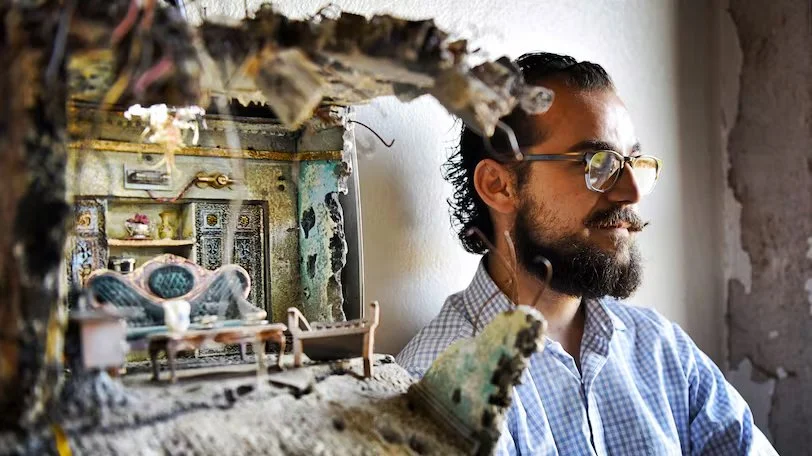
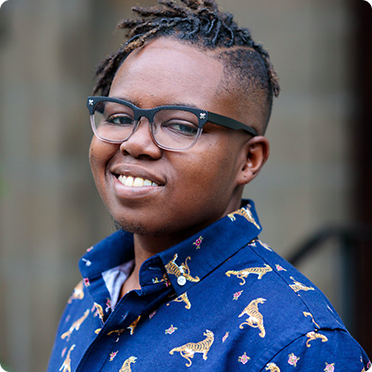
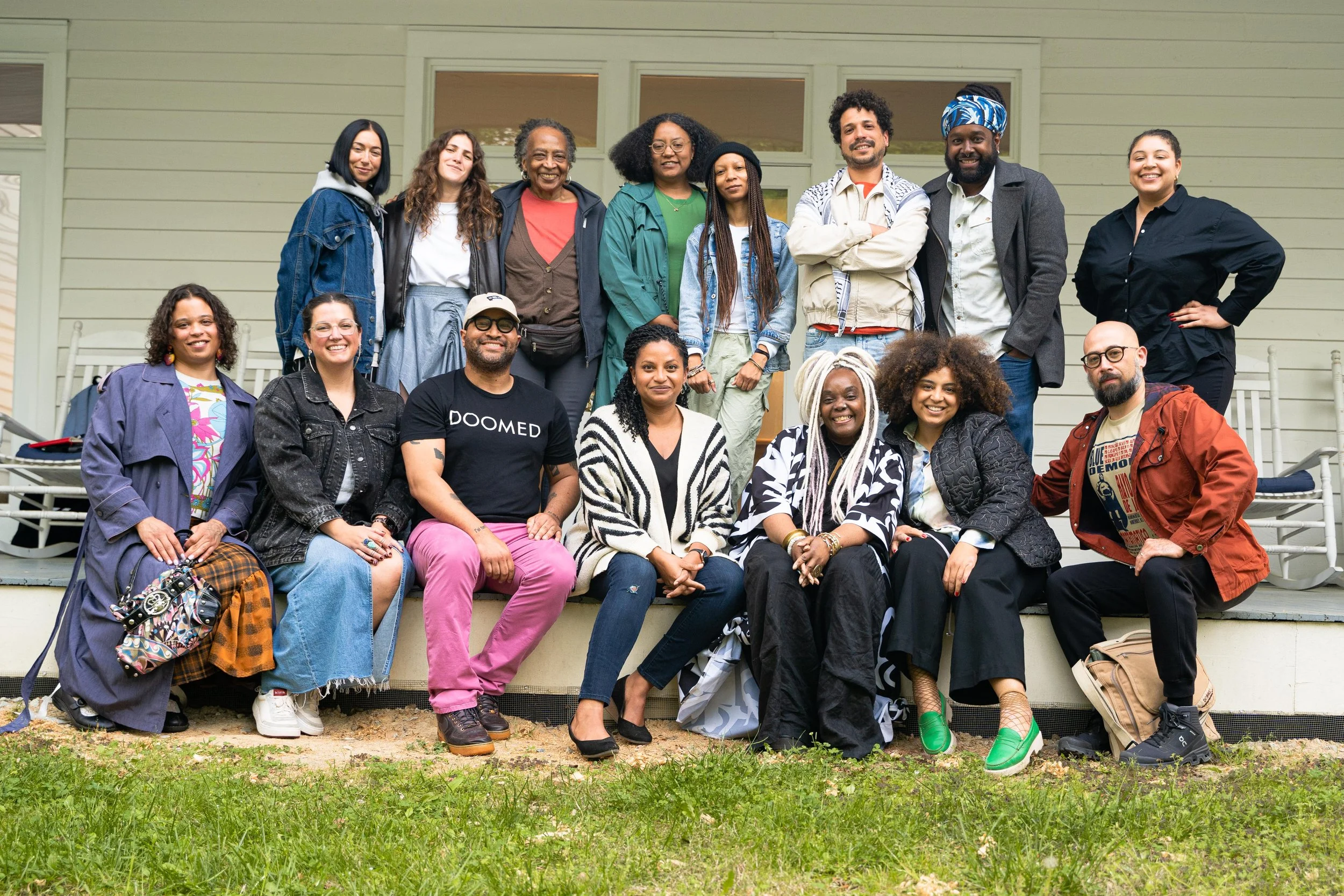
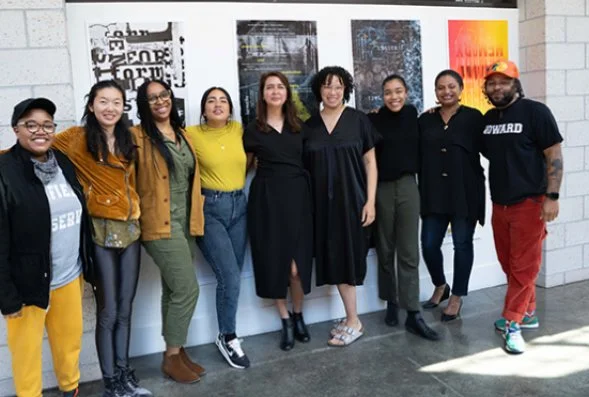
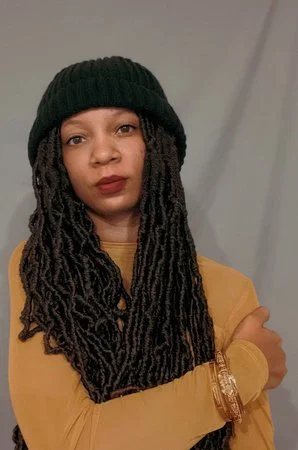
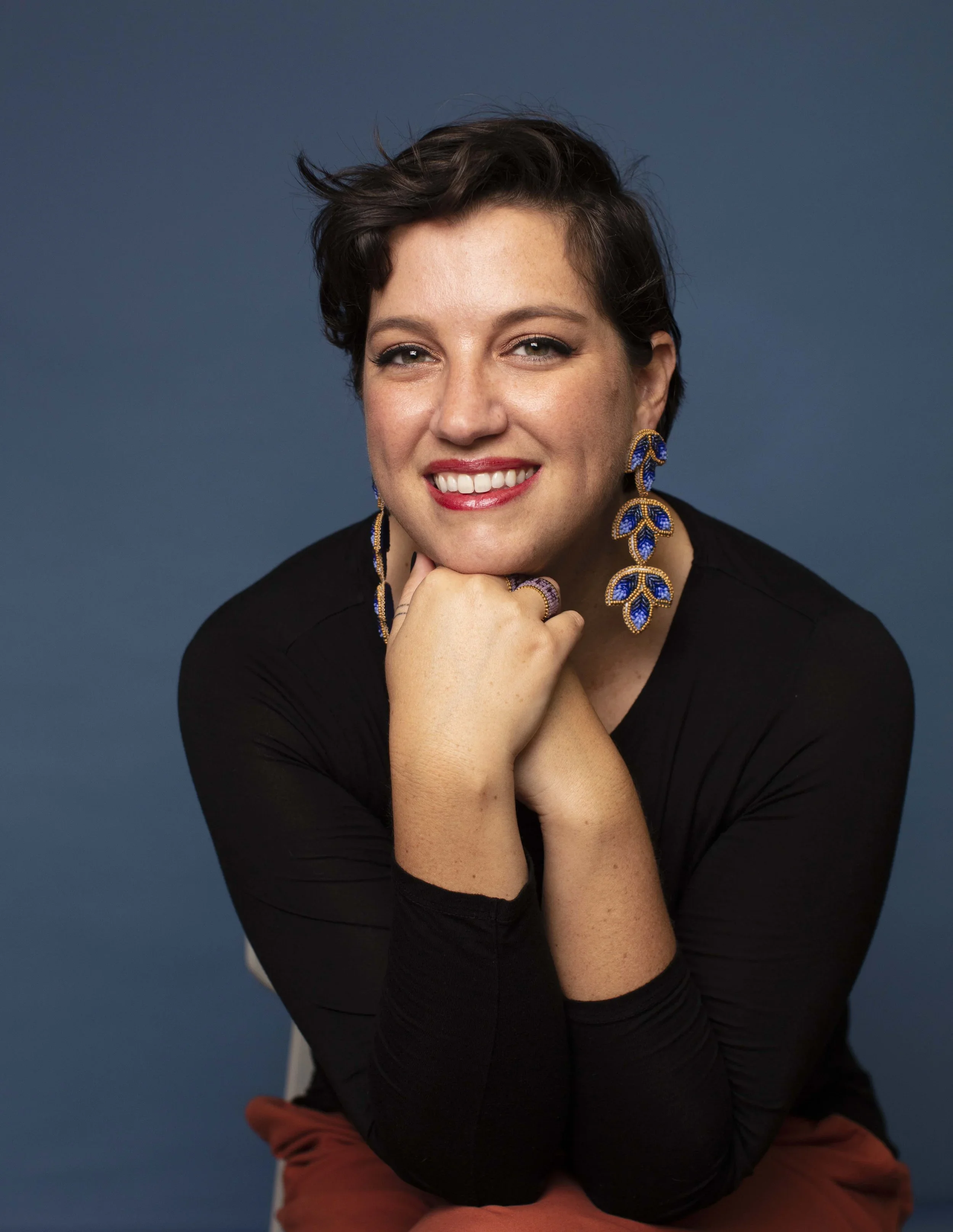
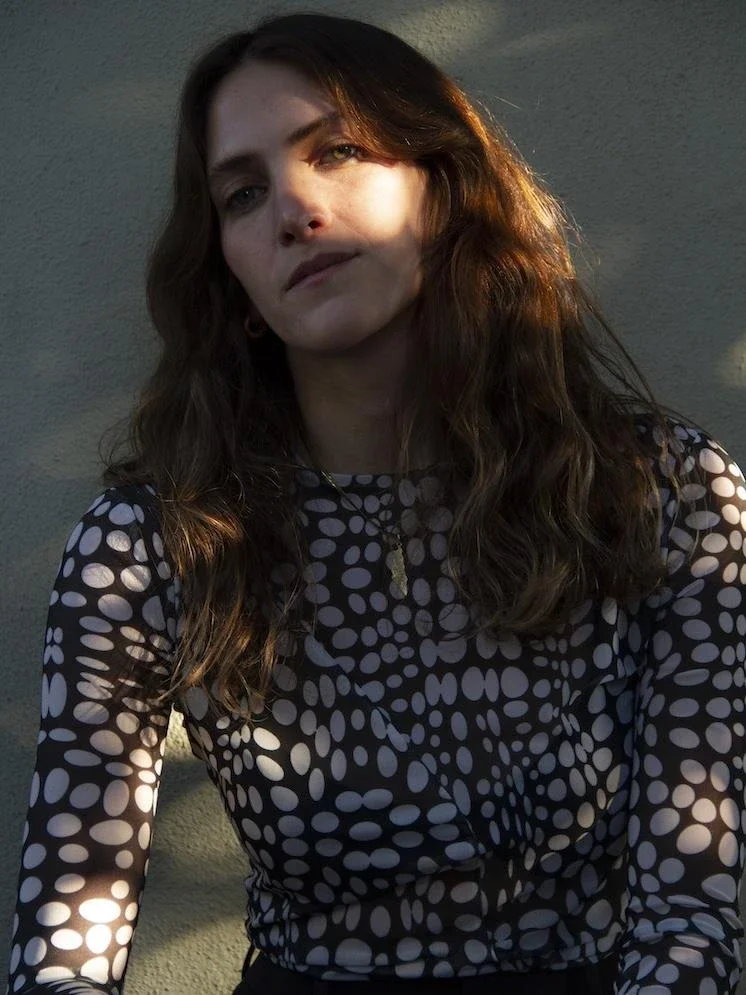
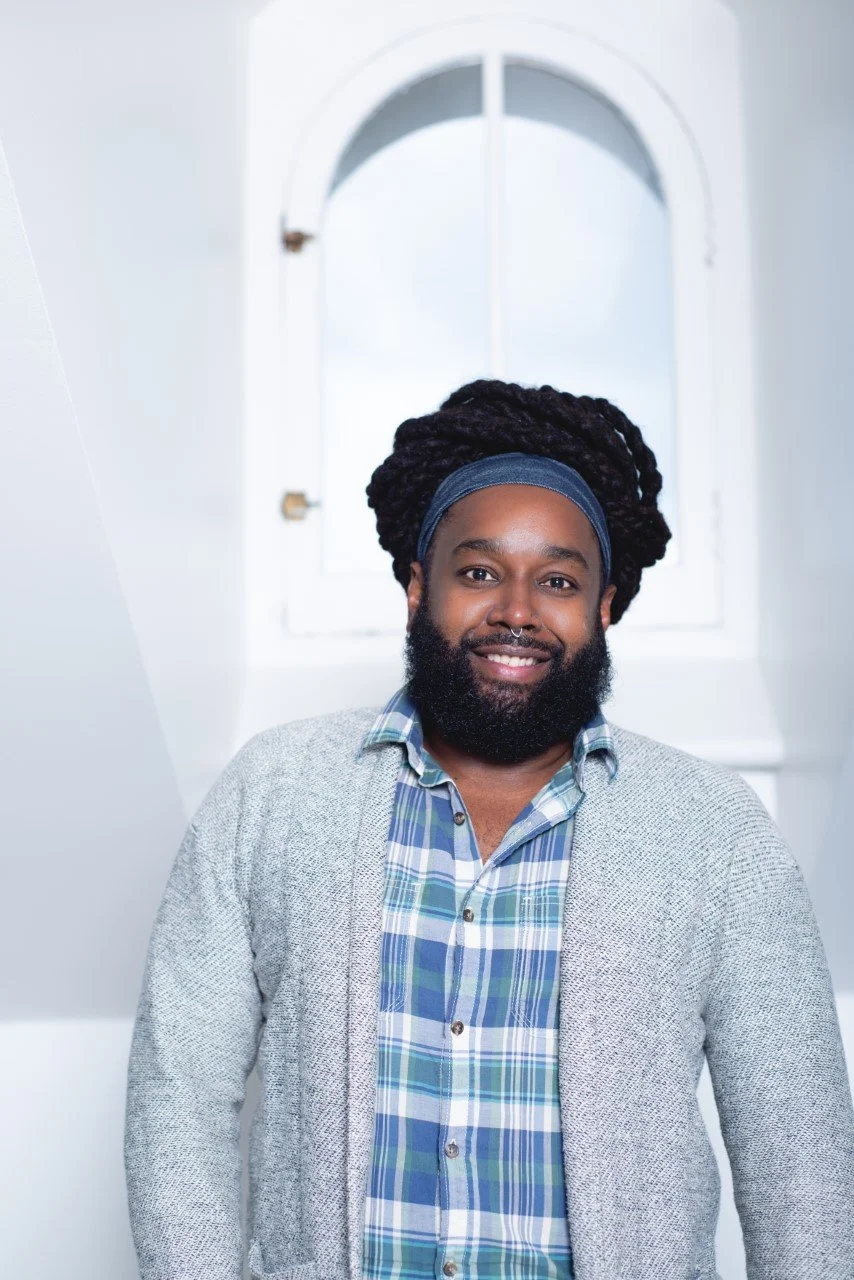
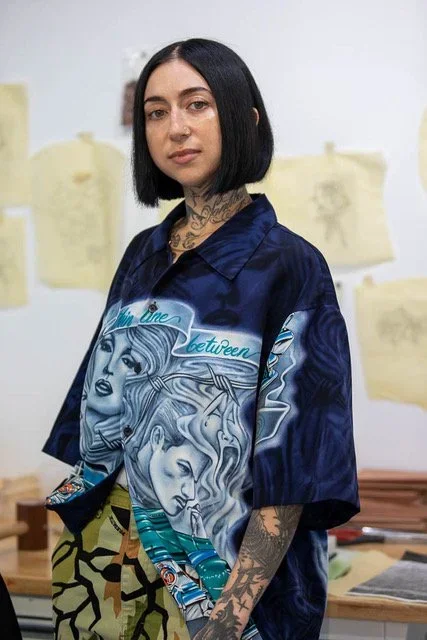
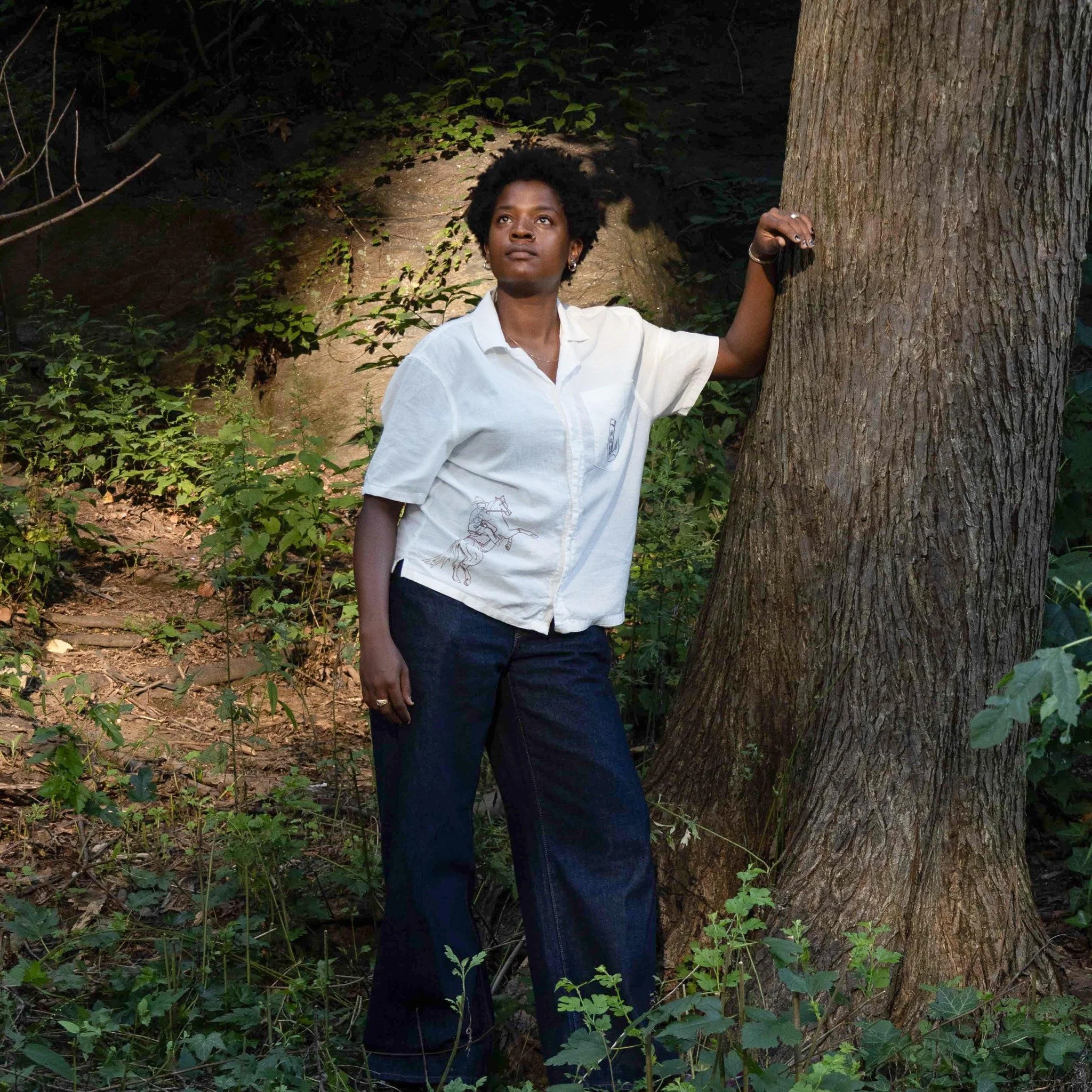
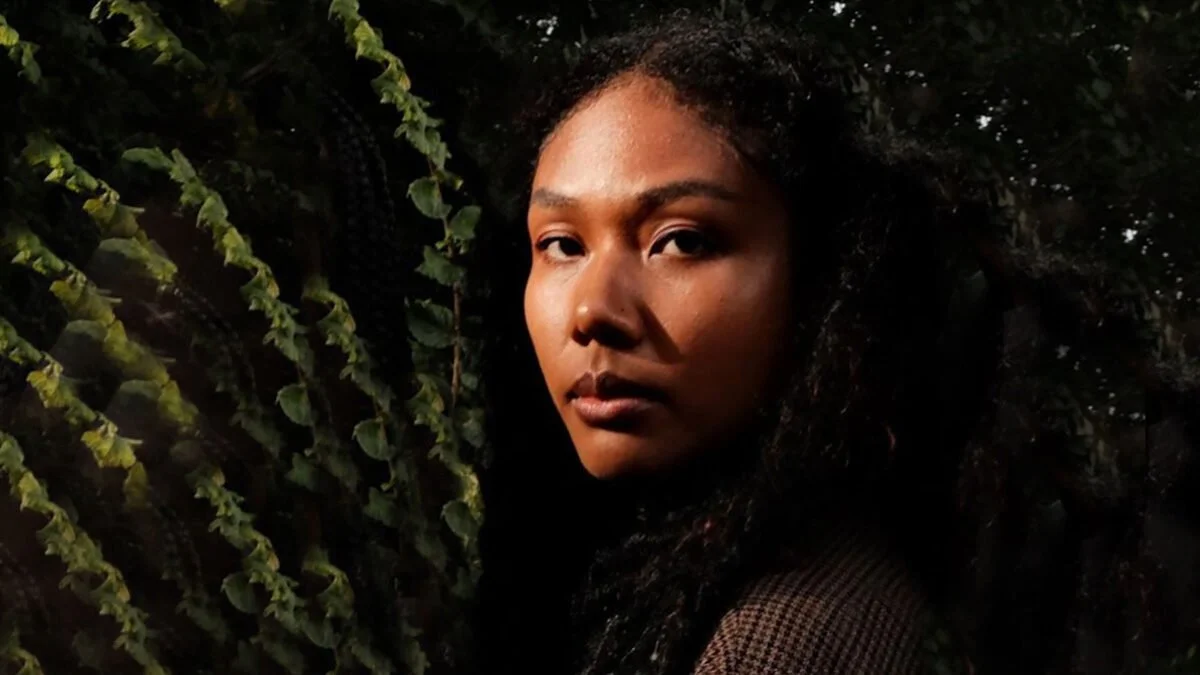
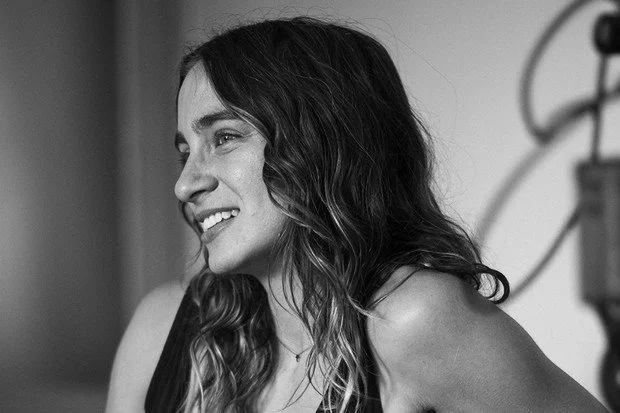
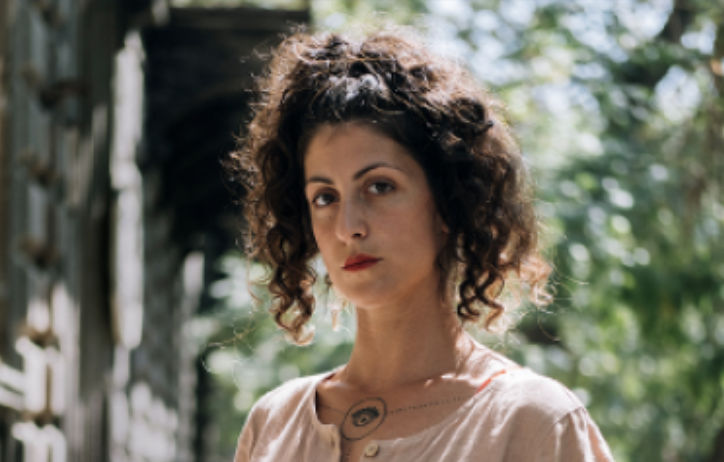
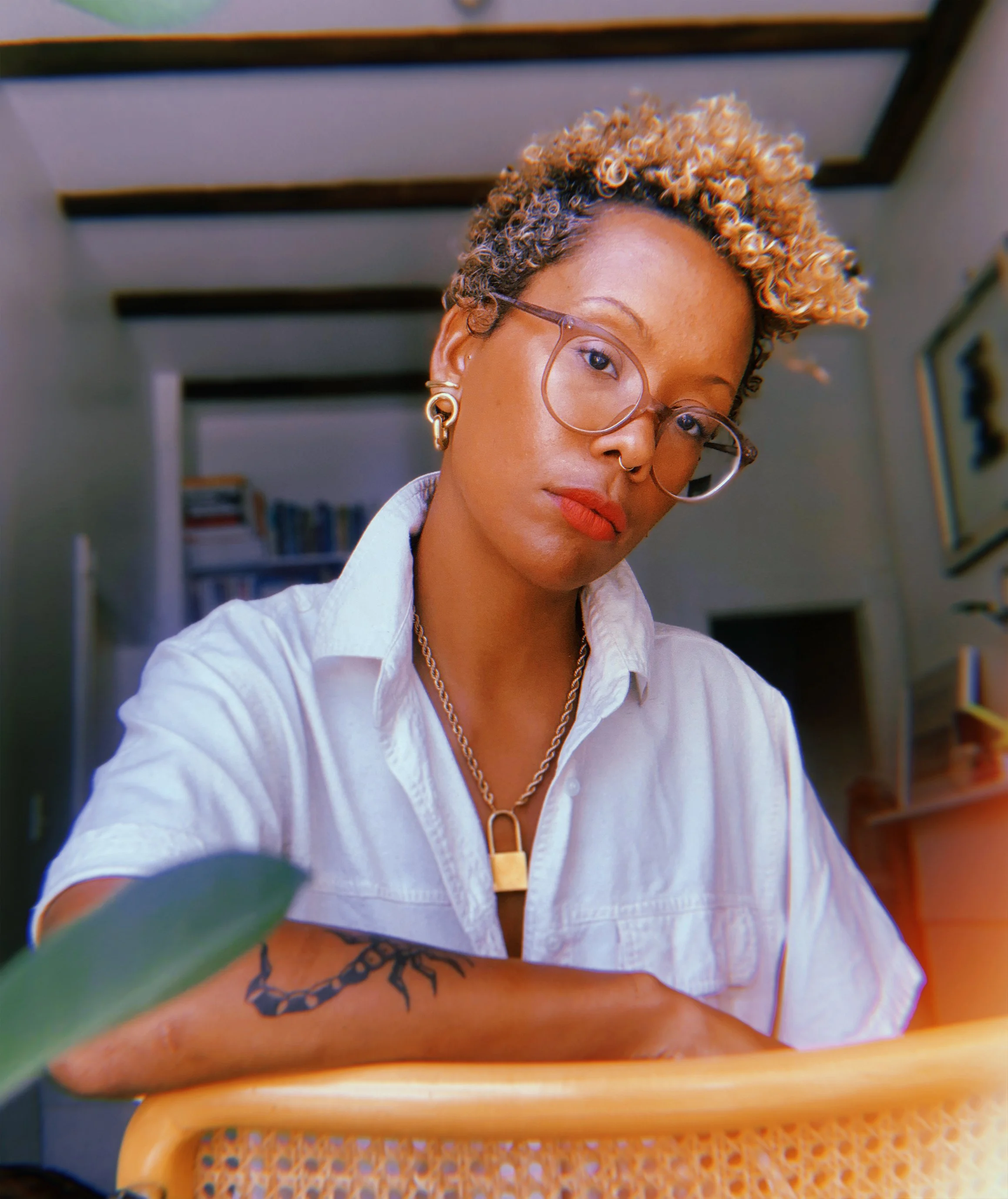
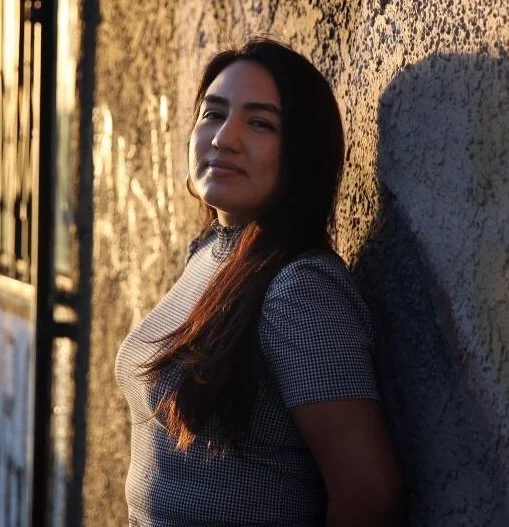
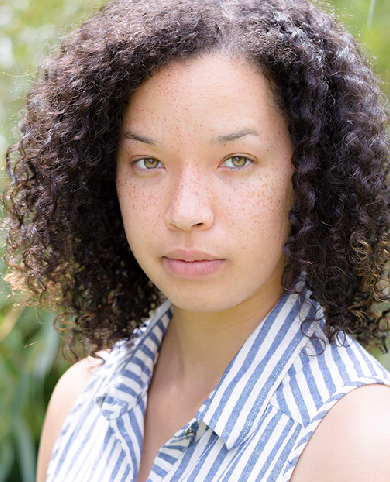
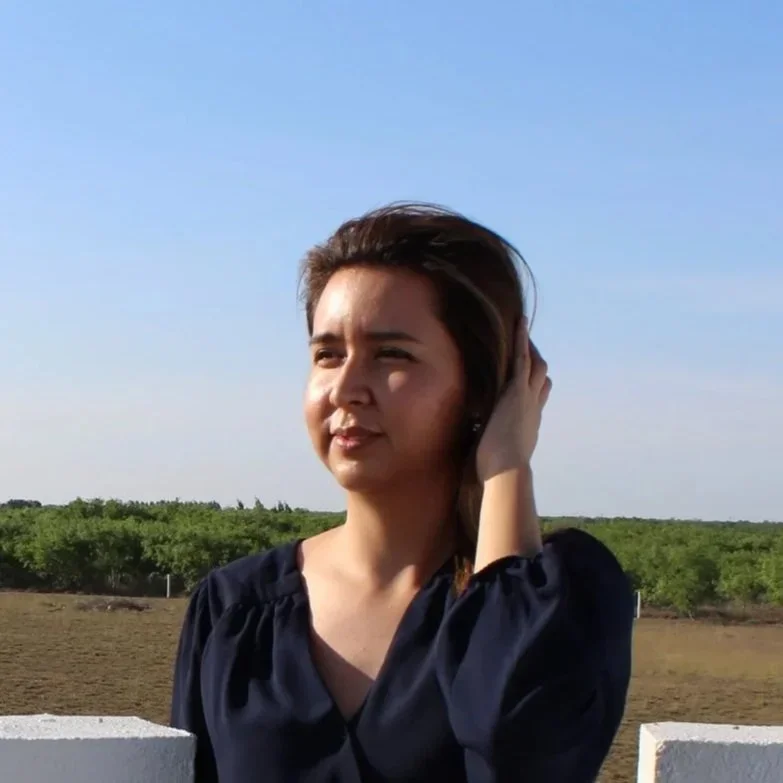
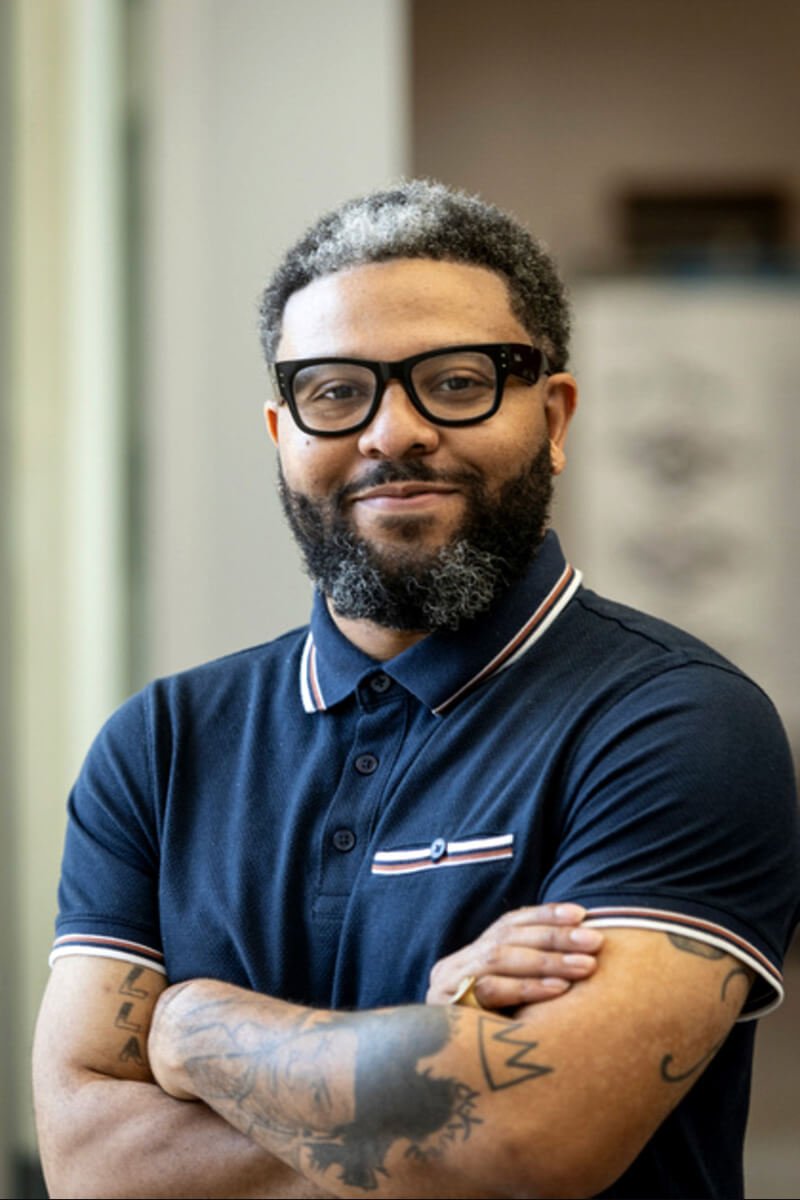
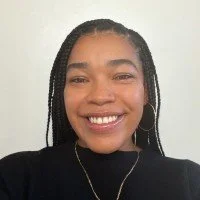
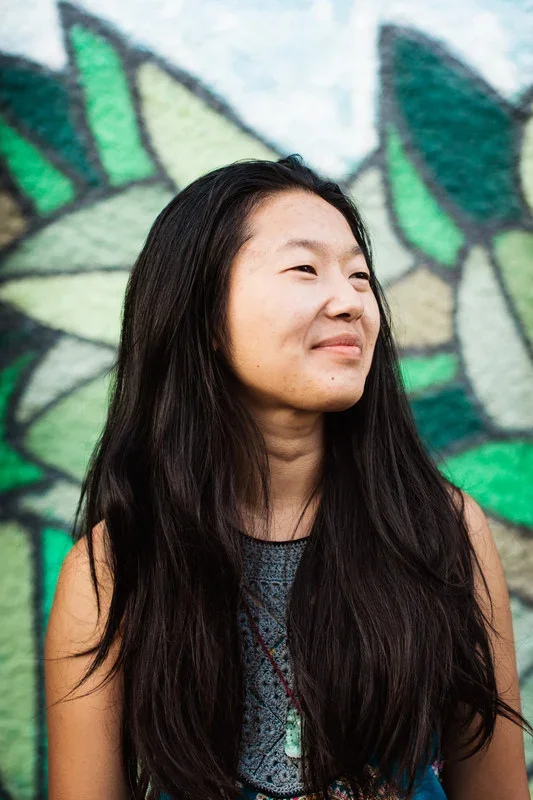
Our family of extraordinary fellows comprised artists, filmmakers, scholars, and caretakers of personal and community archives. These established, mid-career, and emerging creators were selected for the sincerity, depth, and breadth of the questions they wished to engage.
Across the years, fellows explored reclaiming diasporic indigeneity in the grammar and content of their work; reimagining archival practice and co-authored memory; and centering oral storytelling and orality. They sought diasporic intimacy over legibility as a goal in their work, sharing a collective desire to push the boundaries of their respective fields.
The relationships kindled within that shared space are enduring and continue to yield collaborations today.
Invited Guests
While many came as invited guests, they remained as part of our community.
We welcomed world-renowned artists, filmmakers, and thinkers who traveled from across the globe not just to lecture but to stay, to break bread, and to exist as equals within our community.
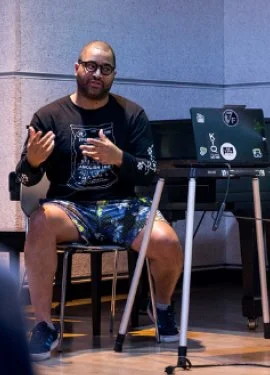
In the sanctuary of DocX, the traditional 'artist talk' was often shed in favor of something far more raw: testimony. These sessions frequently levitated into moments of catharsis, becoming unforgettable spaces of communal witness.
There was a mirroring grace in these encounters; these visionaries arrived as guests but stayed as seekers who, like our fellows, arrived with their own need for a respite of legibility and possibility. Here, they found a space to ask the quiet questions of their own practices and, alongside our fellows, our exchanges were as much about their own becoming as they were about our fellows’ work.
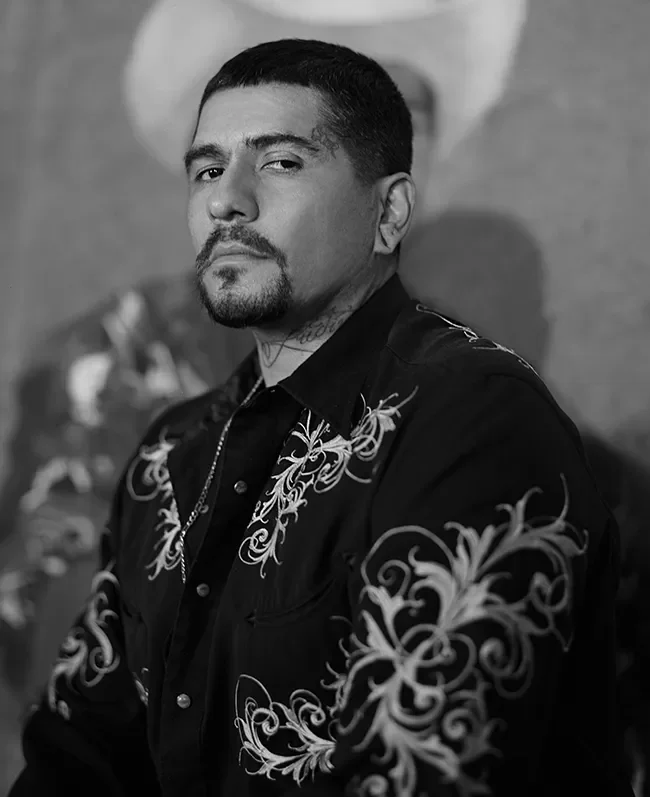
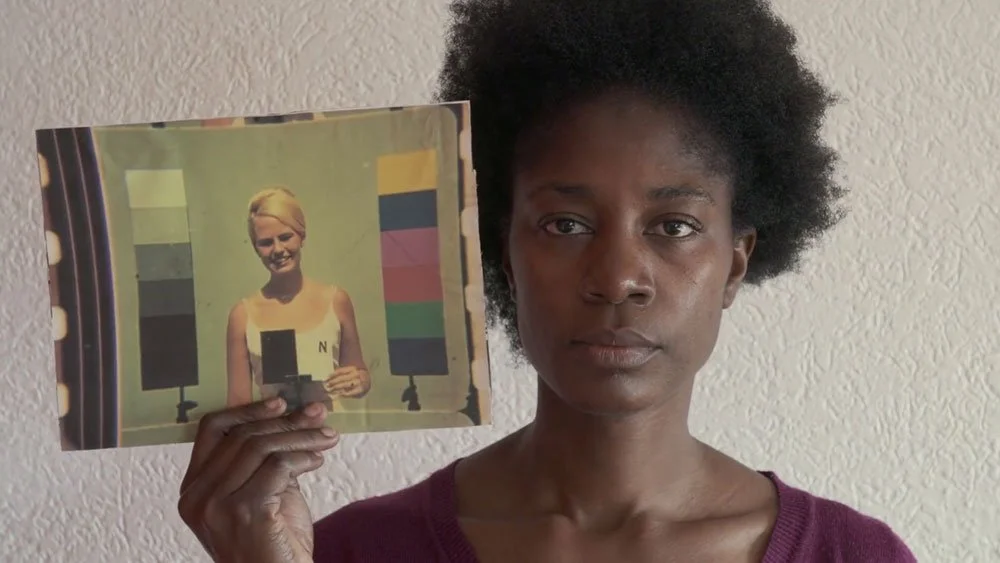
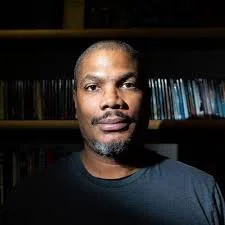
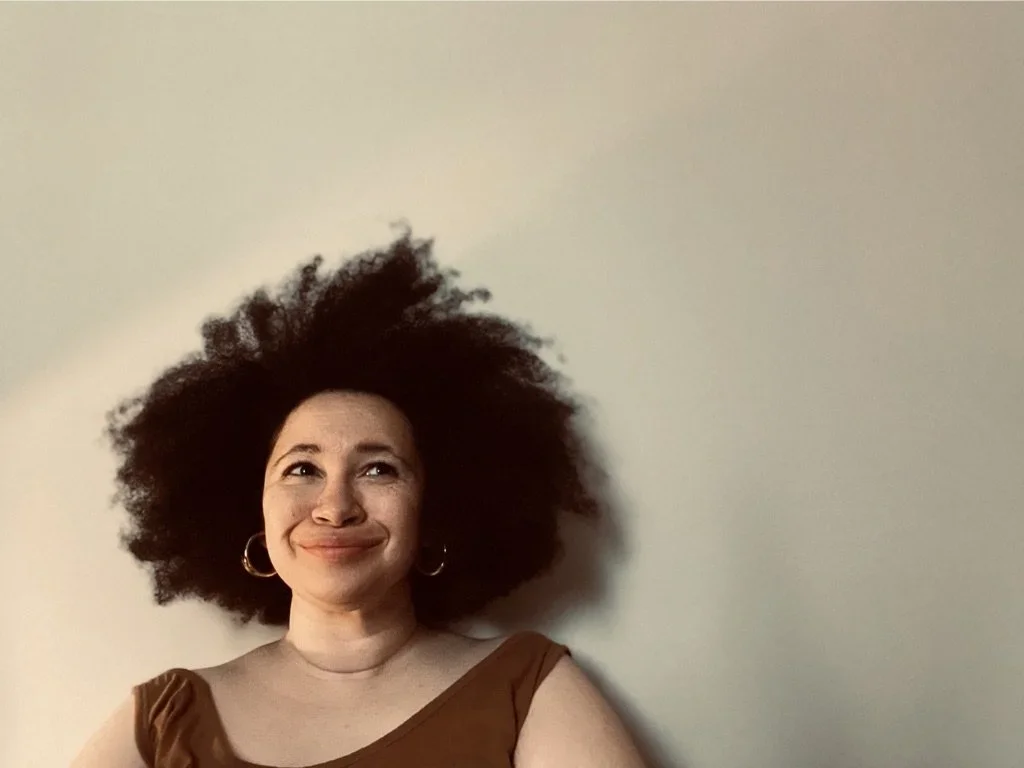
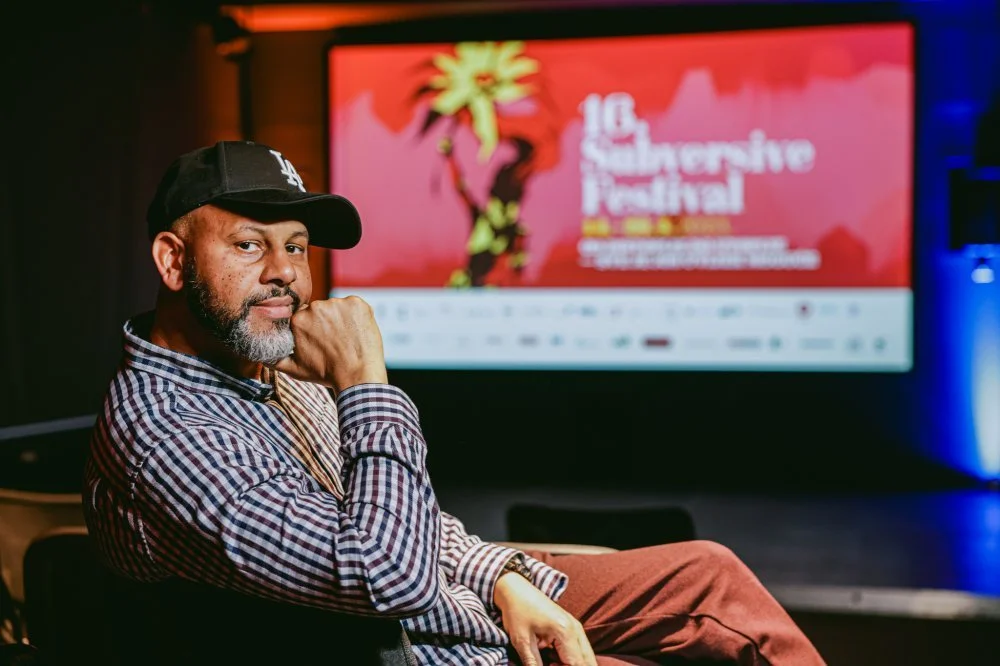
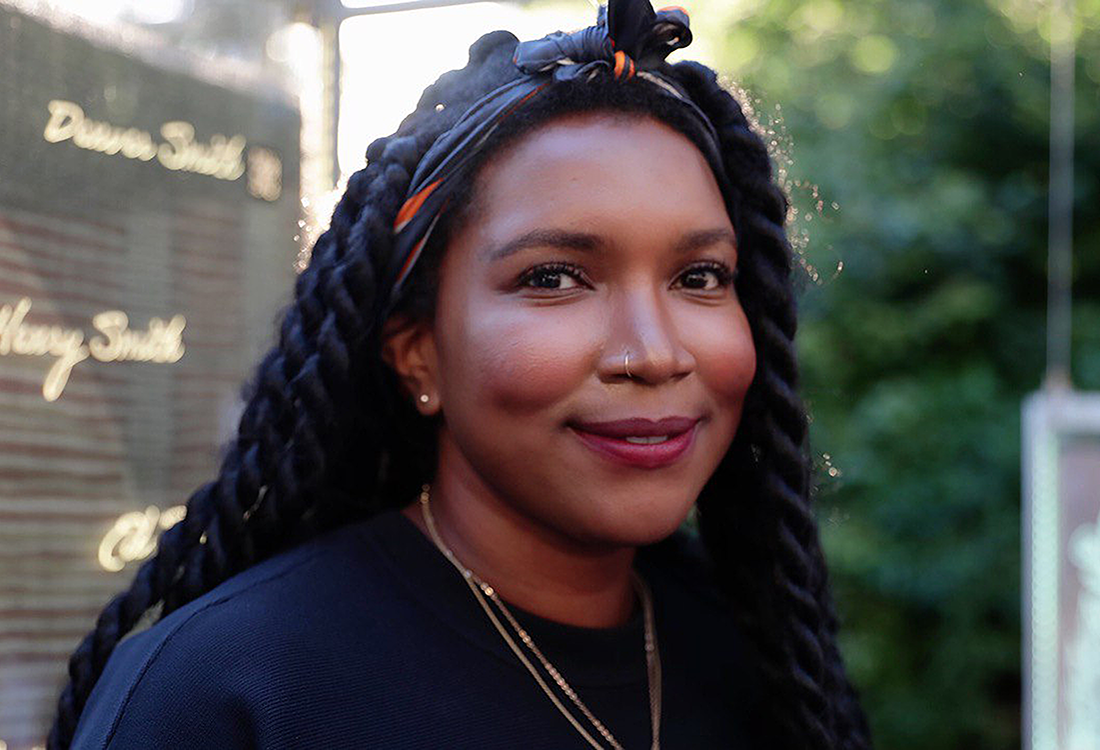
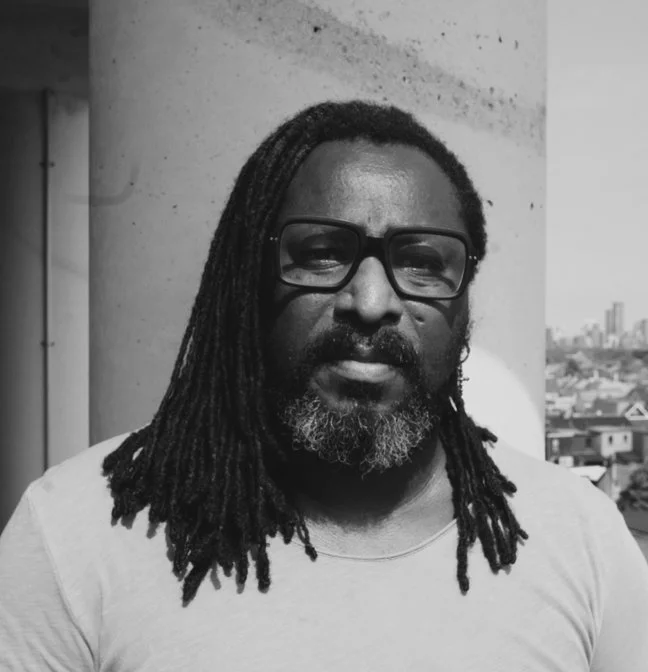
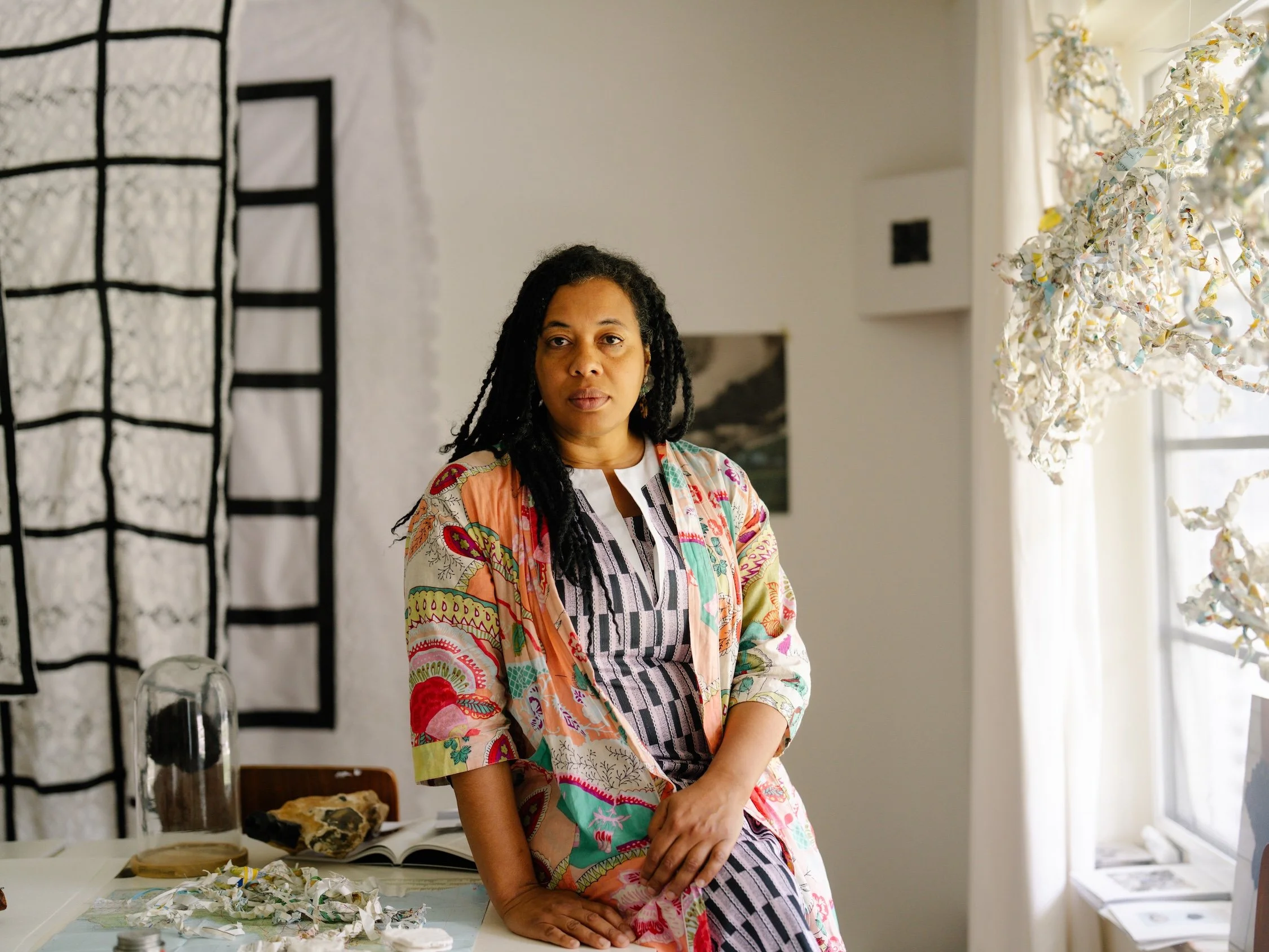
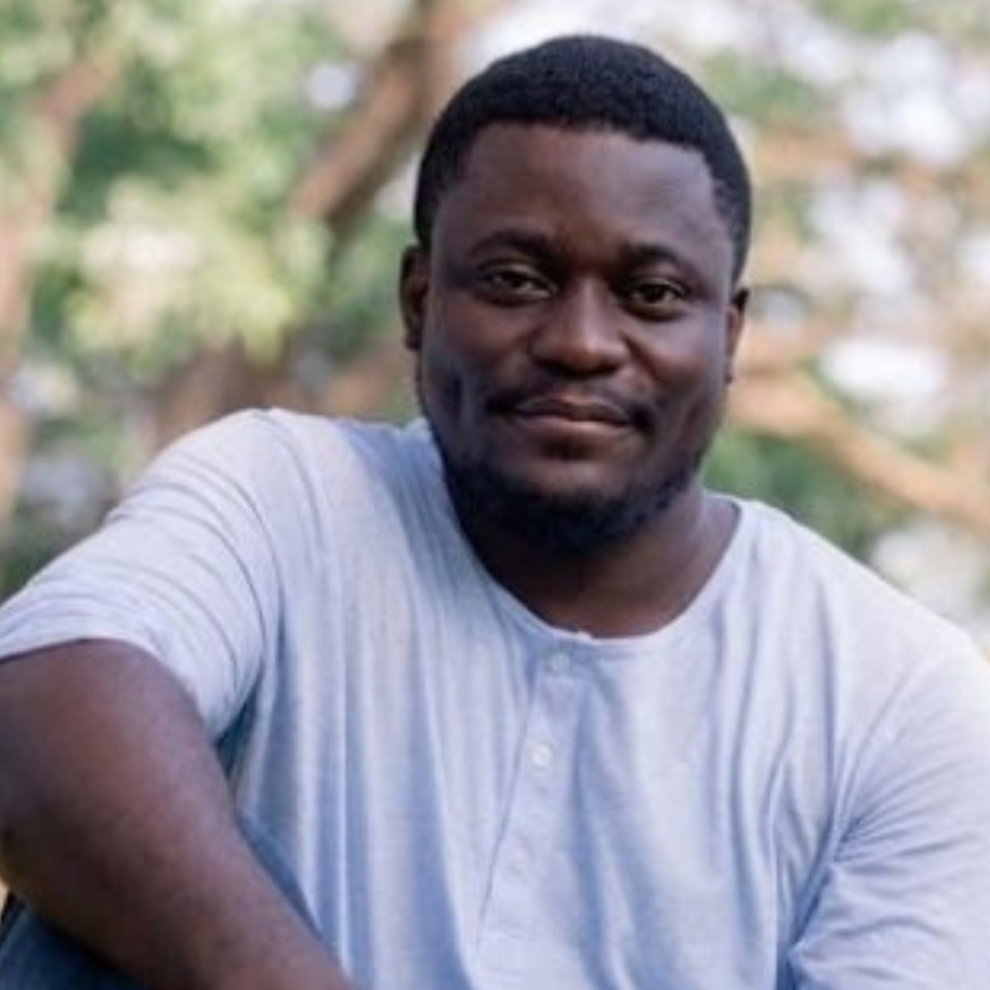
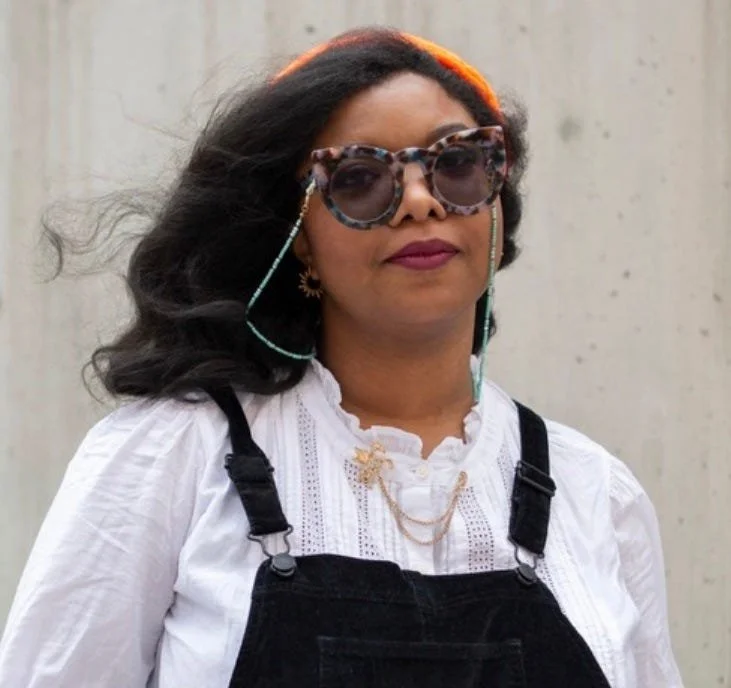
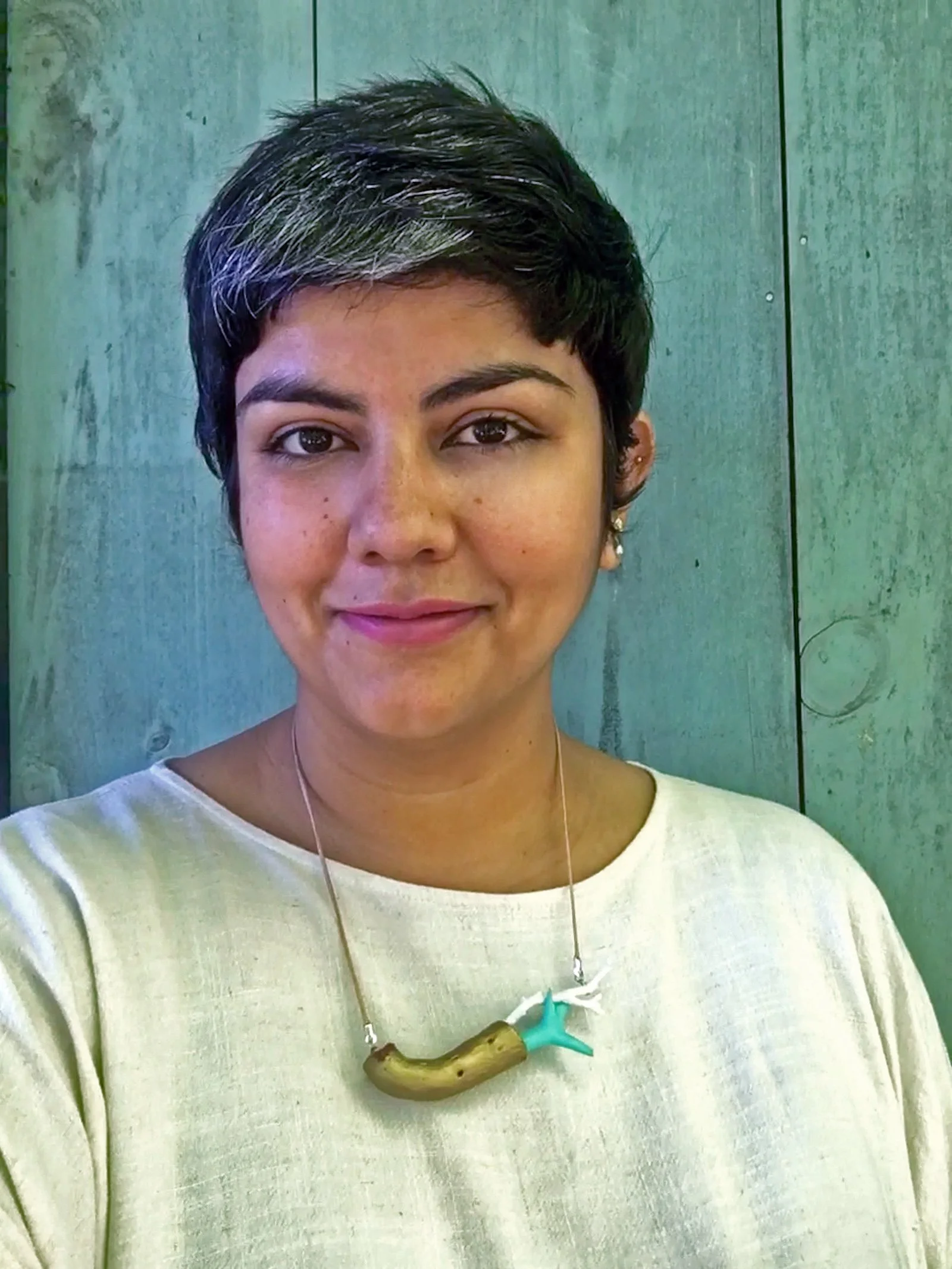
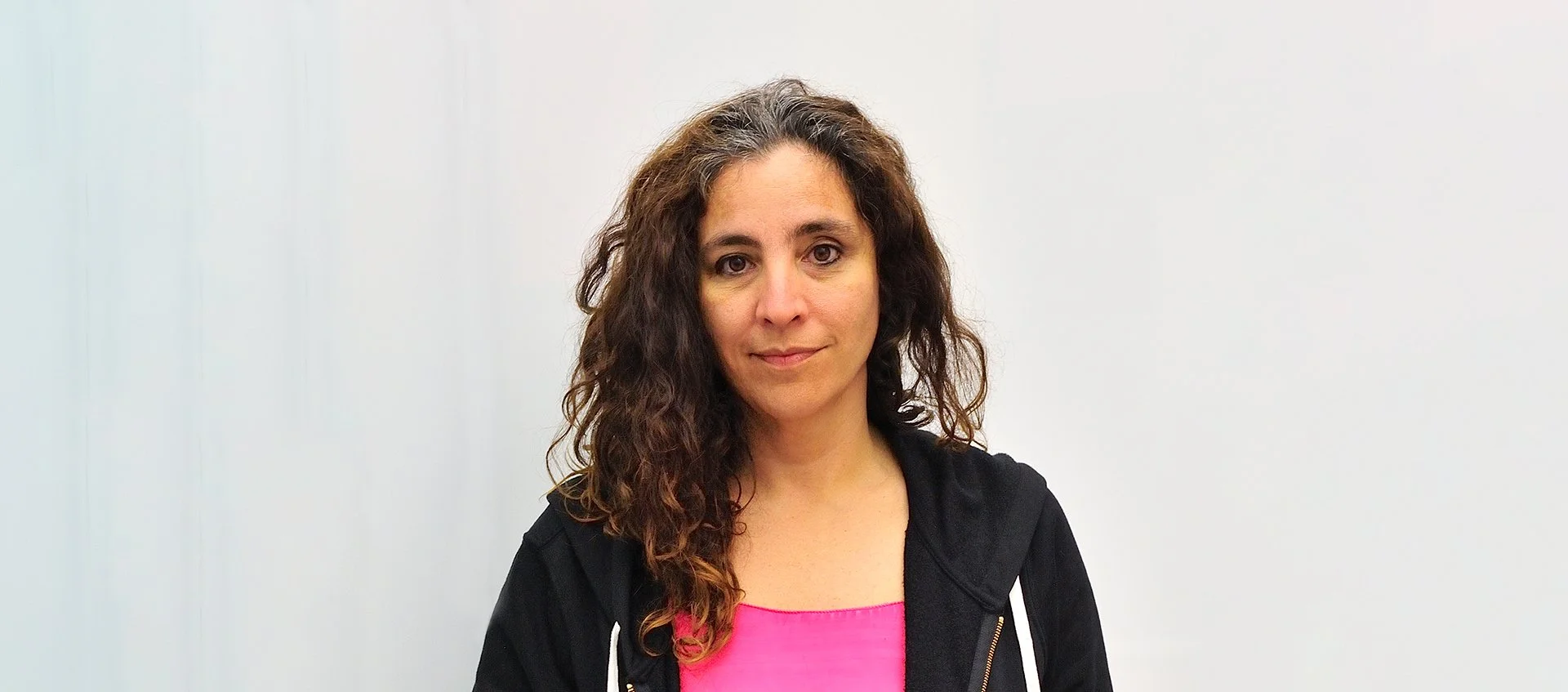
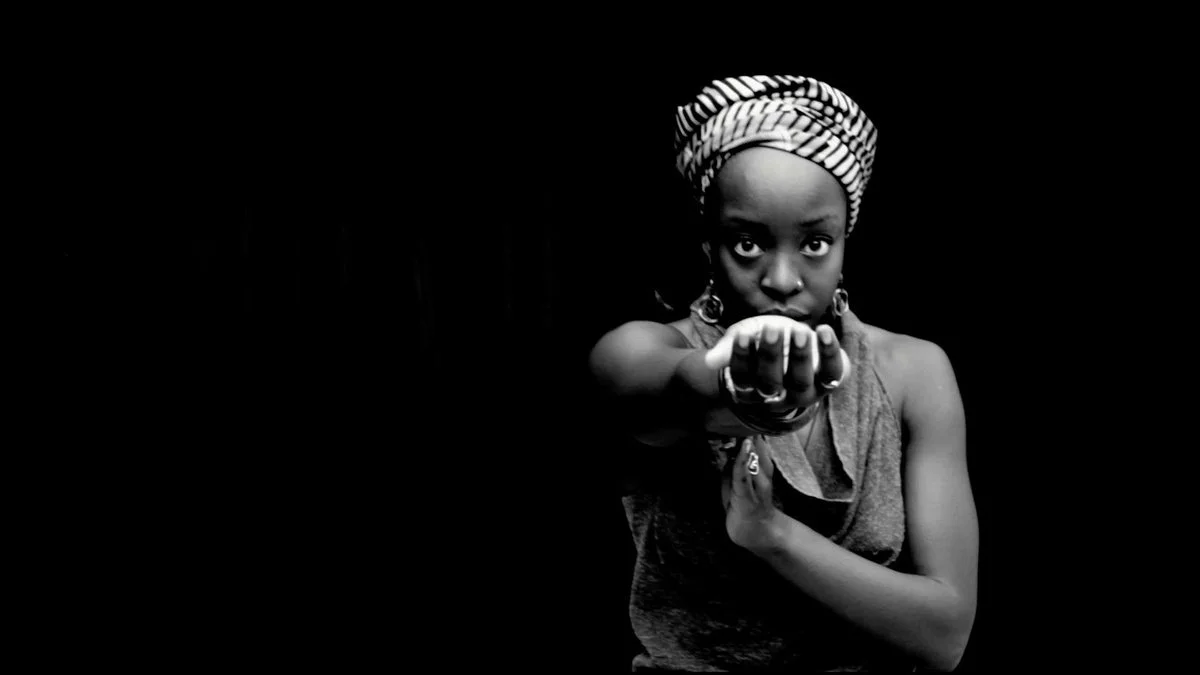
In the sanctuary of DocX, the traditional artist talk was often shed in favor of something far more raw: testimony.